 18 October 2026 |
Blog, Campaigning and research, Collaborations, News
It’s a powerful reminder of what can be achieved when people come together with a shared purpose and refuse to accept that things cannot change.
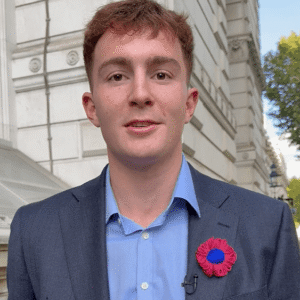
Archie Goodburn going to meet Andy Burnham and Yvette Cooper
Wednesday 14 October 2026 was an extraordinary day. It saw a real coming together of the brain tumour community as brain tumour campaigner and Scottish swimmer Archie Goodburn met Prime Minister Andy Burnham and Secretary of State for Health and Social Care, Yvette Cooper at Downing Street, to discuss the urgent need for action to bring better outcomes for brain tumour patients.
The four measures announced after the meeting represented a major commitment to brain cancer research and helping patients access promising treatments sooner.
Significantly, later the same day, there was also the publication of the Tessa Jowell Brain Cancer Mission’s five-year review, State of the Nation report, and the recognition of six more NHS neuro centres as Tessa Jowell Centres of Excellence.
The Tessa Jowell Brain Cancer Mission was established in memory of Dame Tessa Jowell, who campaigned for better brain tumour treatment and care following her own diagnosis. Its Centre of Excellence programme brings NHS neuro-oncology teams together to assess services, share best practice and drive improvements in treatment, care and research.
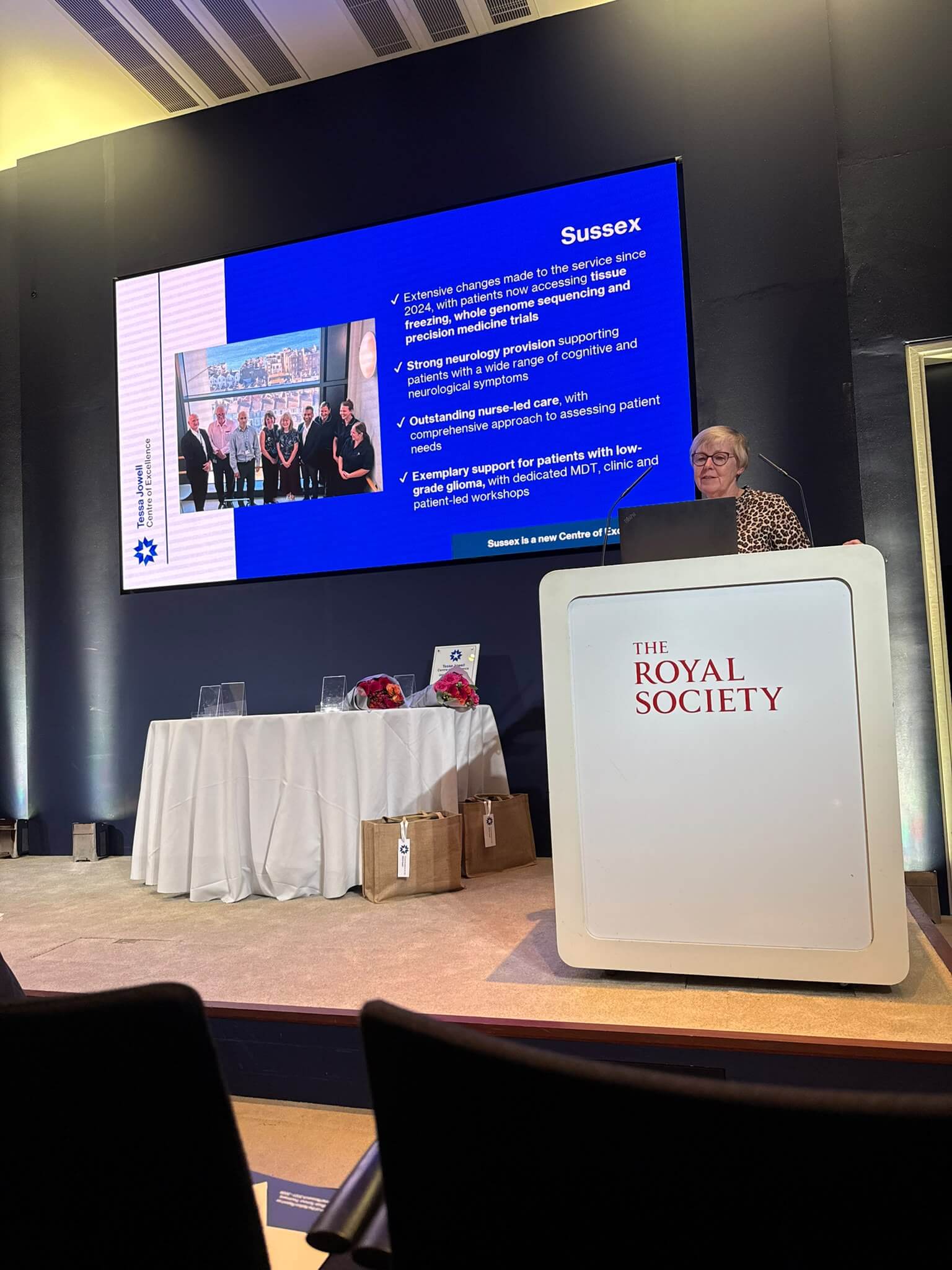
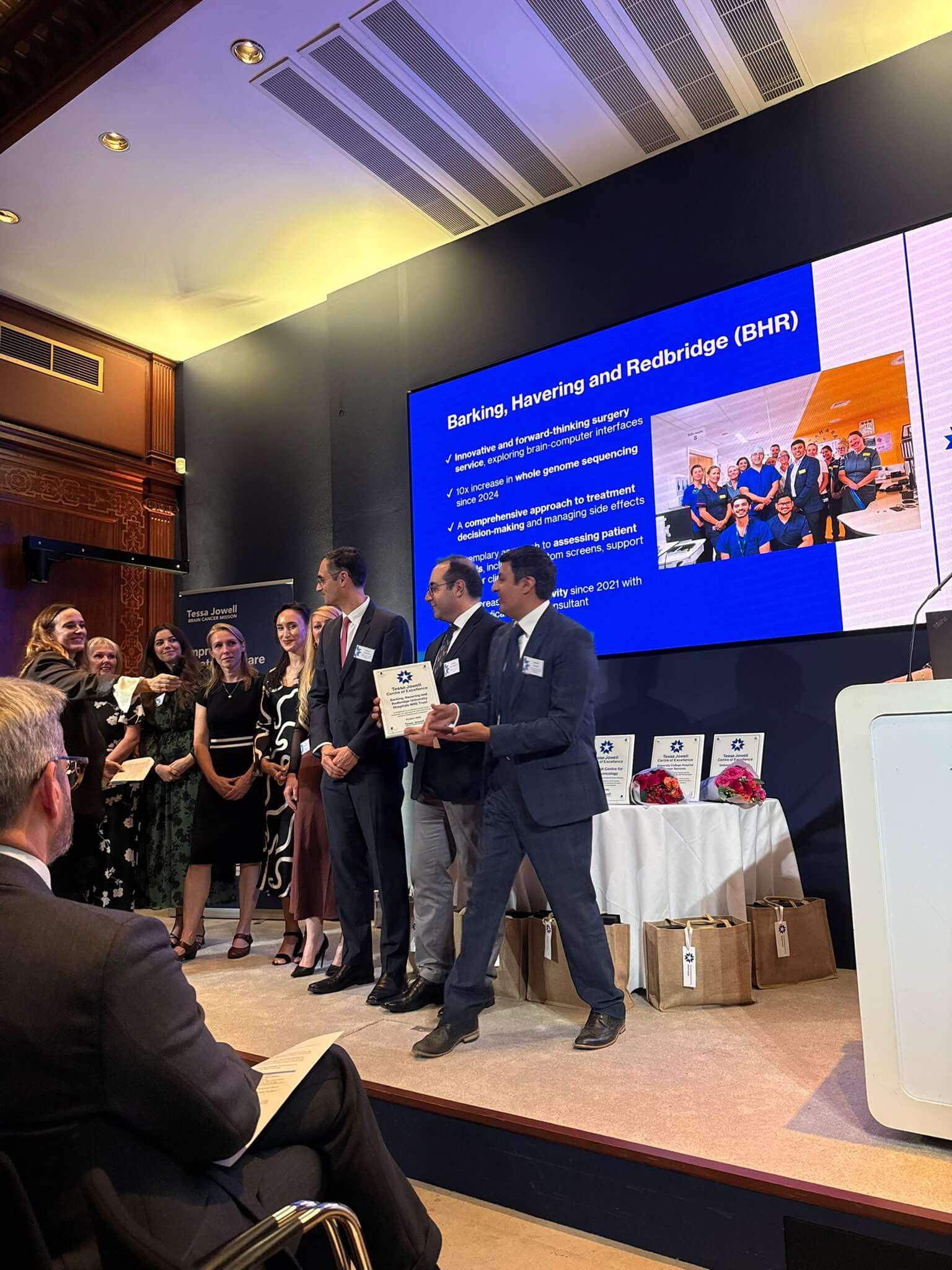
The awards and report launch, at the Royal Society in London, brought together clinicians, researchers, patients, campaigners and representatives from across the brain tumour community.
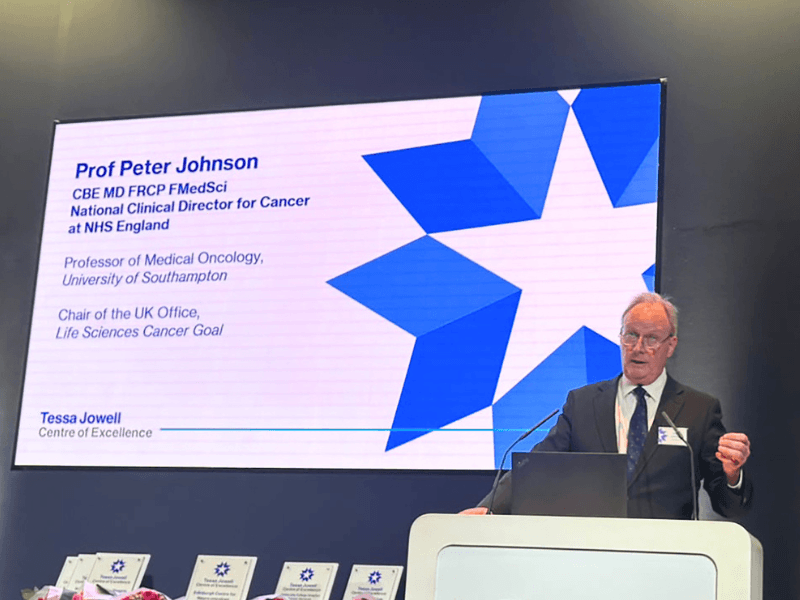
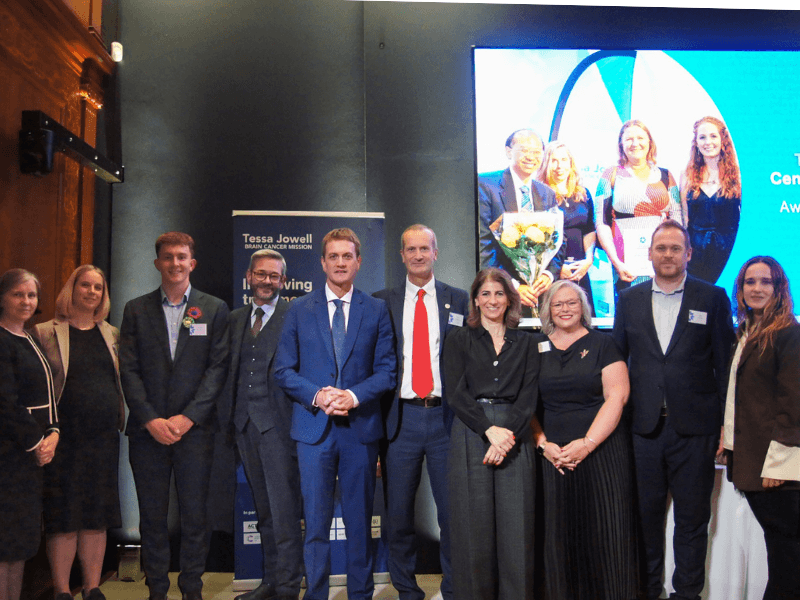
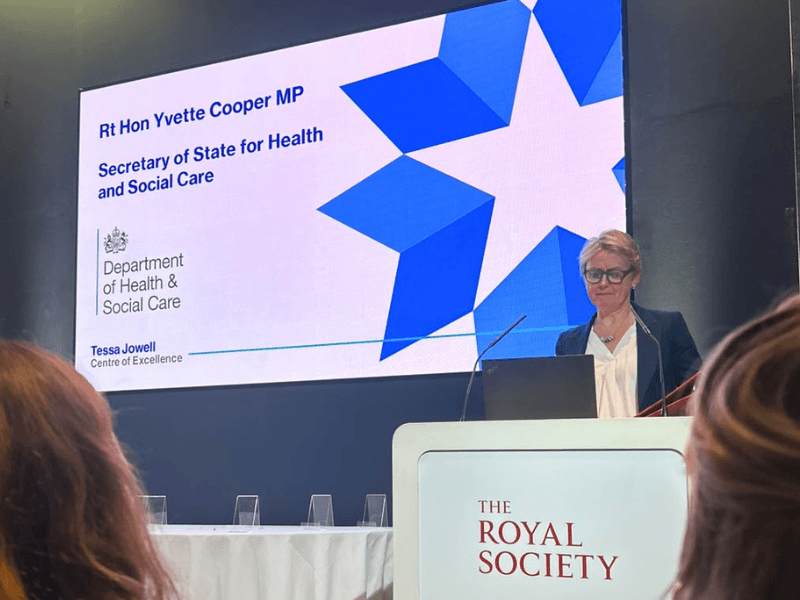
The evening included contributions from Professor Peter Johnson, NHS England’s National Clinical Director for Cancer, and a keynote speech from Yvette Cooper. The awards were presented by Professor Katie Bushby, Vice Chair of the Tessa Jowell Brain Cancer Mission and Jess Mills, the Mission’s co-founder and daughter of the late Dame Tessa Jowell.
Brain Tumour Support was proud to attend and celebrate the six NHS neuro teams newly recognised as Centres of Excellence.
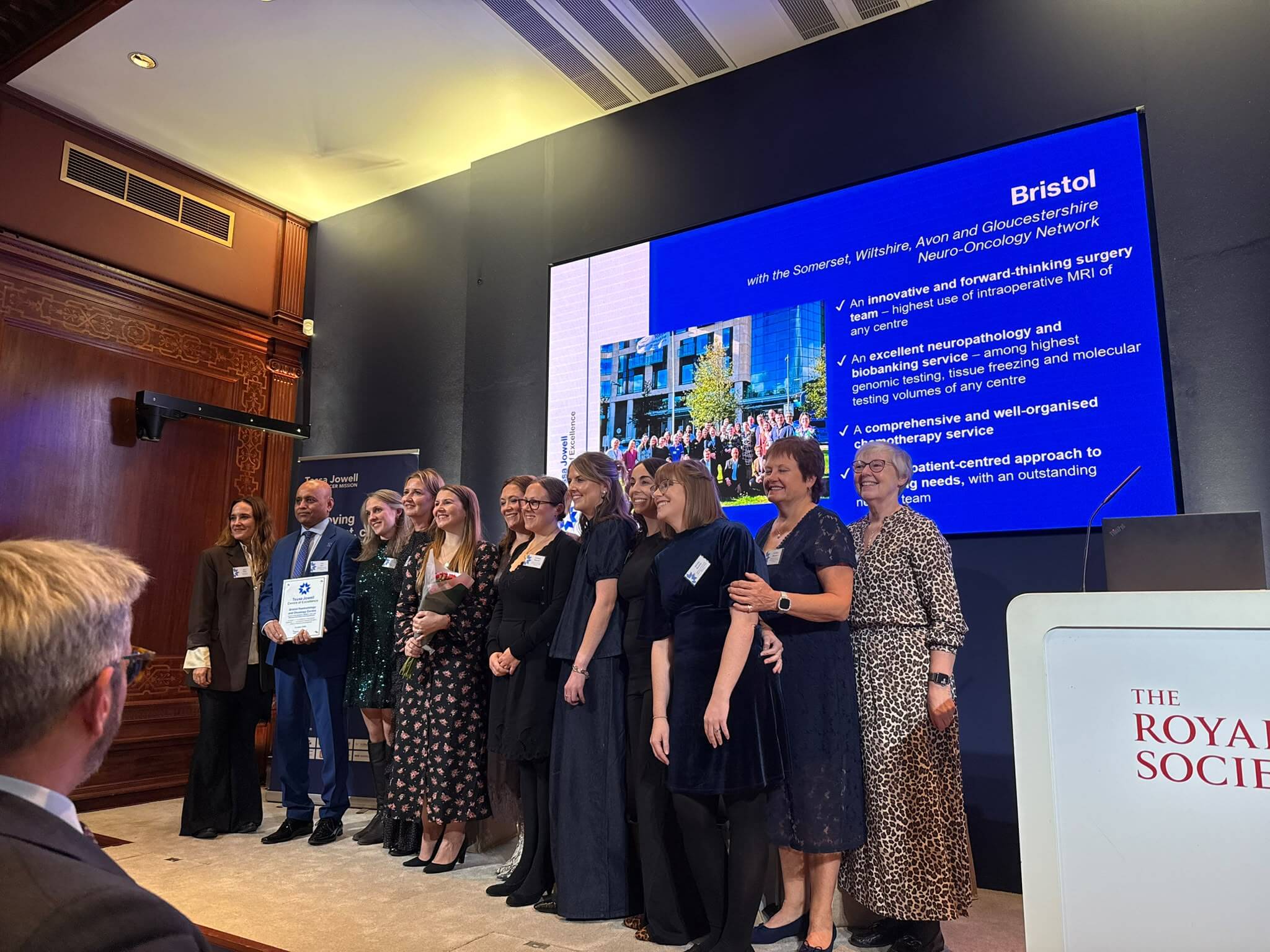


We were particularly pleased to celebrate the Southmead neuro-oncology team receiving its Centre of Excellence award, and their pride in receiving it and dedication to all those under their care was clear:
This recognition reflects the passion, dedication, teamwork and kindness of our extended multidisciplinary team, who work tirelessly to ensure that every patient receives the very best care and support throughout their journey. We are incredibly grateful to our whole team, whose commitment to our patients and their families, and willingness to always go the extra mile, makes such a meaningful difference.
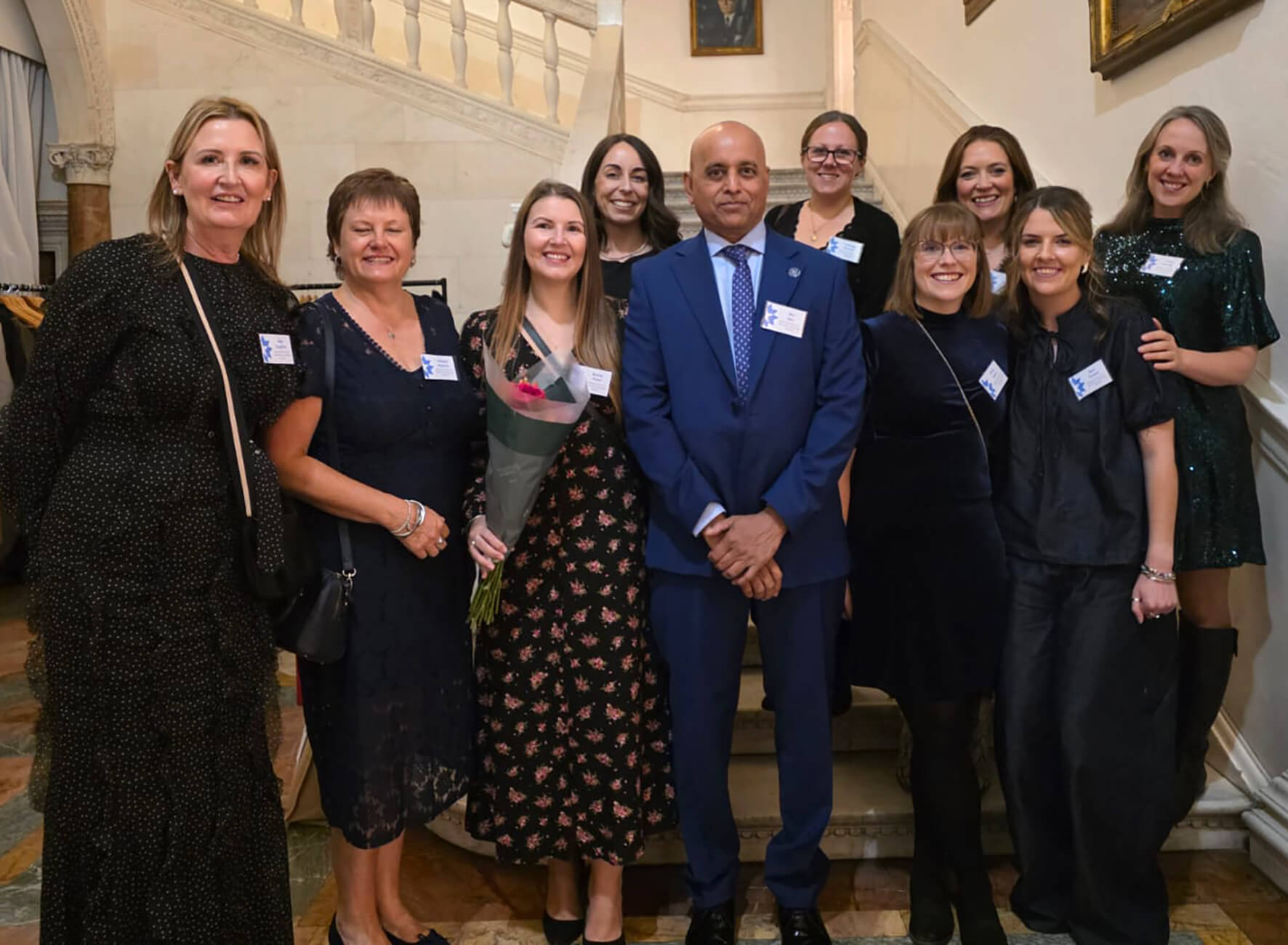
The Neuro-oncology Team from Southmead, Bristol
We work closely with the Southmead team through our early intervention programme, helping patients, and their families, access specialist support from the point of diagnosis.
The programme is mutually beneficial, with patients and families able to access support for the wider impact of a brain tumour diagnosis at an earlier stage, while the Southmead team benefits from having a specialist support charity working alongside its clinical services.
It shows the importance of collaboration between NHS teams and specialist charities, ensuring that emotional, practical and financial needs are recognised alongside medical treatment, and the benefit of connecting people with support earlier.
 The evening’s launch of the State of the Nation report Does it matter where you are treated? (2021–2026), was another opportunity to recognise progress in brain tumour care, while also highlighting the work still needed to improve outcomes and ensure everyone has access to the best possible treatment and support.
The report is one of the most comprehensive studies of NHS services in any cancer. It charts five years’ developments across UK brain tumour services – examining the quality and consistency of services and identifying areas where inequalities persist.
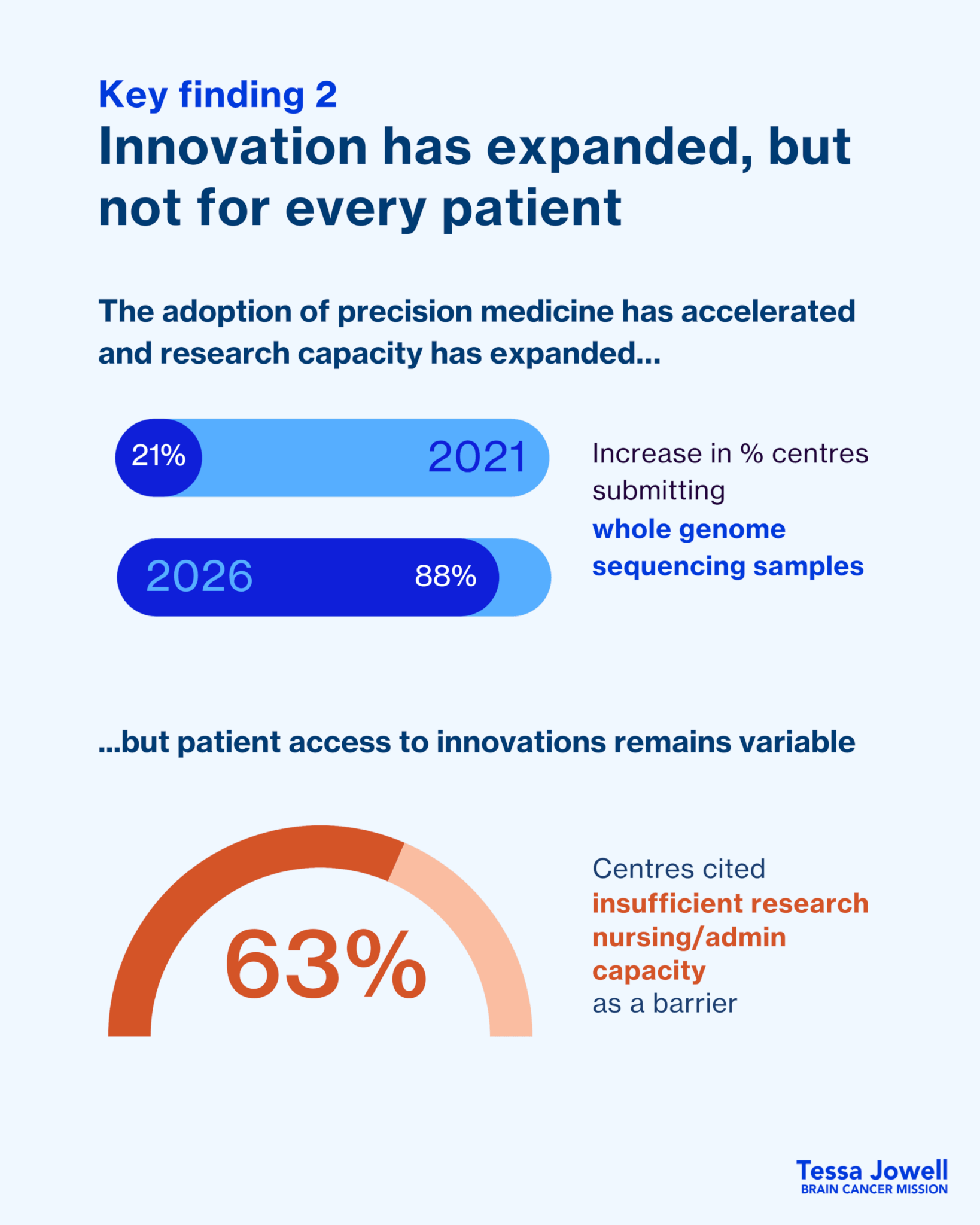
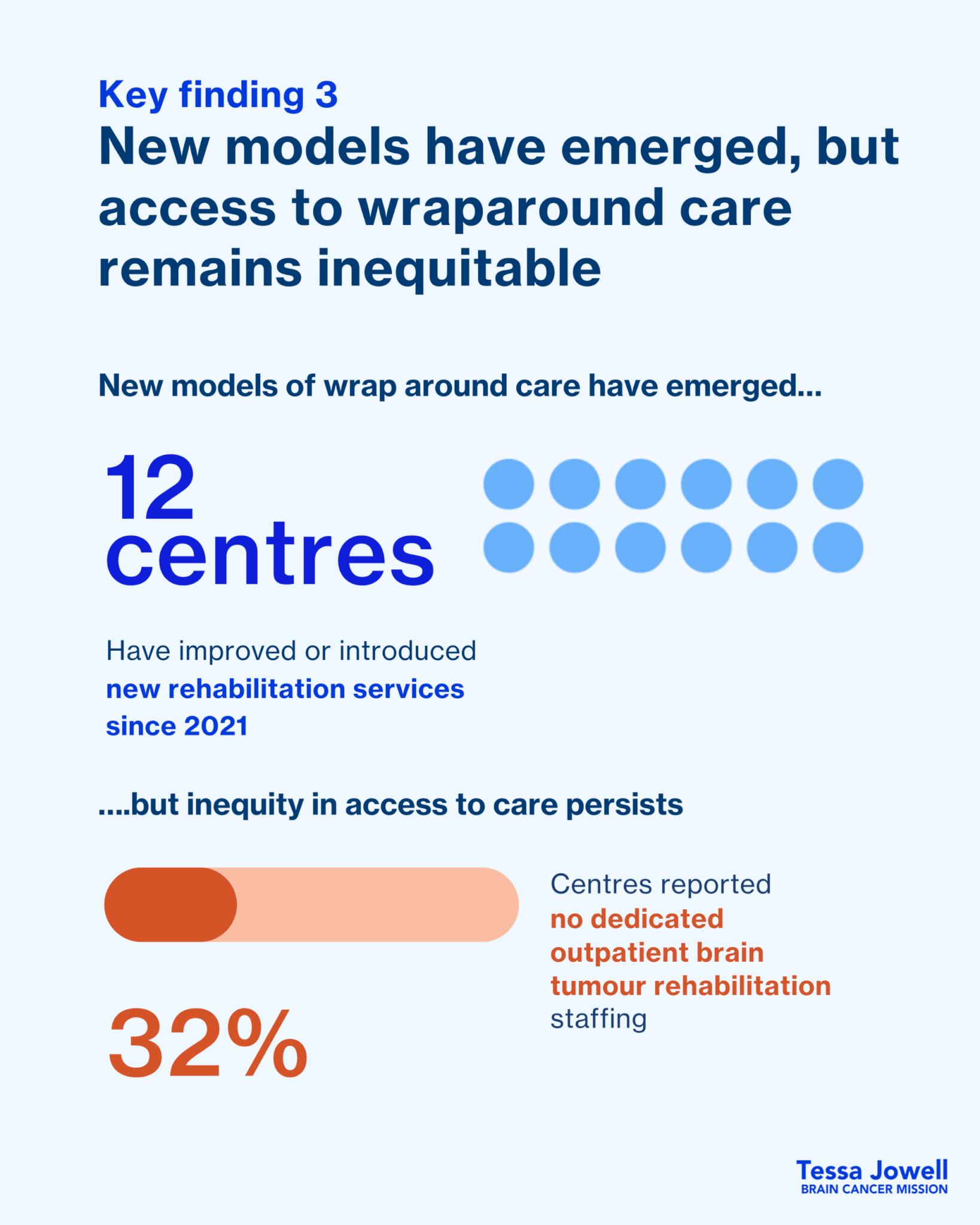
Improvements over that period include wider access to molecular testing and advances in clinical research, but significant challenges remain, including delays in diagnosis and treatment, variation in access to clinical trials and gaps in specialist rehabilitation and neuropsychology services. The findings reinforce the importance of sharing best practice and addressing barriers that prevent people from receiving consistent, quality care, wherever they live.

At Brain Tumour Support, we know that the impact of a brain tumour extends far beyond medical treatment, and beyond the person diagnosed. Health Secretary Yvette Cooper acknowledged this also in her keynote speech at the event:
The impact that brain cancer has on the whole family is something that we take so seriously as well.
Patients, families and loved ones can all face significant emotional, practical and financial challenges throughout their experience. Access to specialist support and opportunities to connect with others who understand can make a real difference. Yet these forms of support are not always readily available through statutory services and many people turn to charities like Brain Tumour Support for help.
We believe that access to appropriate support should not depend on where someone lives, the type of brain tumour they have or having their own means to turn for help. Partnership between the NHS and specialist charities is an important part of ensuring that the wider needs of patients and families are recognised throughout their care.
Brain Tumour Support Chief Executive, Emma, reflected on the power and emotions of the evening:
The timing of awards ceremony felt so fortuitous, bringing together the whole community to celebrate a truly momentous day. A real moment for us all to pause and reflect upon what has been achieved together – and how much more we can achieve.
“The power, passion and energy in the room was palpable, and seeing each of the neuro teams collect their Centre of Excellence awards against the backdrop of such a landmark day felt extra special too.
“It was wonderful to spend time talking with and thanking Archie, his parents, Yvette Cooper, and Minister James Frith, as well as speaking with many more organisations, clinicians, families and patients, ensuring our support is understood and accessible for those that need us.”
Brain Tumour Support will be working hard alongside many others with a shared determination to make the promise and hope of Wednesday into action and progress – including more support for patients and families who need it today. They will always be the heart of everything we do.
24 August 2026
The strength of a community coming together Lucy Wilkinson, Head of Support Services at Brain Tumour Support, reflects on the impact of recent national news coverage about brain tumours, the hard work which continues to go on across the brain…
Read
21 May 2026
When someone is diagnosed with a brain tumour, they may be overwhelmed by the need to understand a new language. This article aims to provide a shortcut to that new language so that patients, caregivers, colleagues, employers, journalists, policymakers and…
Read
31 March 2026
At Brain Tumour Support, we have been closely following developments around Vorasidenib, a targeted therapy that has shown promise for people living with certain types of low-grade glioma. So we are delighted to share today’s final decision by the National…
Read
26 February 2026
When we tell people that brain tumours are the biggest cancer killer of the under 40s, their first reaction is often shock or disbelief. What’s the evidence for this and where do we get our figures from?
Read