
Learn about the specialist support available from Brain Tumour Support, including one-to-one sessions, support groups and counselling.
If you have recently been diagnosed with a brain tumour, you are not alone. This page will help you understand more about your diagnosis, the types of brain tumours and the support available for you and your family.
A brain tumour diagnosis can bring shock, fear, anxiety and many unanswered questions. Everyone responds differently, and it is normal to experience a wide range of emotions after diagnosis.
Being diagnosed with a brain tumour can feel overwhelming, both for the person affected and for those close to them. Understanding more about your diagnosis can help you feel more informed and better prepared for what may happen next.
There are more than 100 different types of brain tumour. A brain tumour is a group of abnormal cells in the brain or spinal cord that grow in an uncontrolled way.
Brain tumours are usually named according to the type of cell they develop from, the part of the brain they affect, genetic changes within the tumour, and whether they are more commonly seen in children or adults.
The exact cause of most brain tumours is unknown. They can affect people of any age, although some types are more common in older adults.
Brain tumours are also grouped by grade, which describes how quickly they are likely to grow. In general, the more normal the cells look, the lower the grade. The more abnormal the cells look, the higher the grade.
The World Health Organisation (WHO) classifies brain tumours on a scale of grade 1 to grade 4. Grade 1 and 2 tumours are usually low grade and tend to grow more slowly. Grade 3 and 4 tumours are higher grade and more likely to grow more quickly.
Understanding the different types and grades of brain tumours can feel complicated. You can always ask your doctor or Clinical Nurse Specialist if you would like more information about your diagnosis.
Learn about different brain tumour typesA glioma is a tumour that starts in glial cells, which support the brain and spinal cord. Main types include astrocytoma, glioblastoma and oligodendroglioma.
Glioblastoma is a fast-growing, high-grade type of glioma. You may also hear it described as glioblastoma, IDH wildtype.
A rare type of glioma that develops from cells called oligodendrocytes. It can be low grade or high grade.
A rare tumour that starts in ependymal cells, which line the fluid-filled spaces in the brain and spinal cord.
A usually non-cancerous tumour that grows near the base of the brain and can affect the pituitary gland.
These develop from cells left over from early development. The most common type is medulloblastoma, which mainly affects children.
A slow-growing, usually non-cancerous tumour that starts in the cells lining blood vessels in the brain, spinal cord or brain stem.
A rare type of lymphoma that affects the central nervous system.
A tumour that starts in the layers of tissue covering the brain and spinal cord. Most meningiomas are non-cancerous.
Tumours that start in the pineal gland or the tissues around it.
These begin in the pituitary gland. Most are non-cancerous and are also called pituitary adenomas.
A non-cancerous tumour that starts in the nerve connecting the ear to the brain.
Rare tumours that begin in the spinal cord. Common types include meningiomas, tumours of the spinal nerves and ependymomas.
Source: Cancer Research UK | What are the types of brain tumours?
Tumours that begin in the brain are called primary brain tumours. Some tumours spread to the brain from cancer elsewhere in the body. These are known as secondary brain tumours or brain metastases.
Any cancer can spread to the brain, but the most common types include lung, breast, colon, kidney cancer and melanoma. Brain metastases may form as one tumour or multiple tumours in the brain.
Treatment for secondary brain tumours may differ from treatment for primary brain tumours. It often focuses on controlling tumour growth, managing symptoms and maintaining quality of life.
Treatment may include radiotherapy, chemotherapy, targeted therapies, immunotherapy, hormone treatment or, in some cases, surgery.
Secondary brain and spine tumours are often diagnosed when symptoms begin to appear.
Treatment will depend on the type, grade and position of the tumour, as well as your overall health. Common treatment options include surgery, radiotherapy, chemotherapy and active monitoring.
Active monitoring, sometimes called watch and wait, may be recommended for some slow-growing tumours. This means you will have regular scans and appointments to monitor the tumour over time rather than starting treatment straight away.
Read more about treatment optionsYour care will usually be planned by a multidisciplinary team (MDT). This is a group of healthcare professionals who work together to make sure you receive the best possible care.
Depending on your diagnosis and treatment, your team may include GPs, neurosurgeons, oncologists, neurologists, Clinical Nurse Specialists, radiographers, speech and language therapists, occupational therapists, dietitians, physiotherapists and pharmacists.
Different professionals may become involved at different stages of your care, treatment and recovery.
You do not have to face a brain tumour diagnosis alone. Our specialist support services are here for patients, families and carers at every stage of the journey.
Whether you need emotional support, practical advice or reliable information, the resources below can help you feel more informed, supported and prepared for what lies ahead.
Learn about the specialist support available from Brain Tumour Support, including one-to-one sessions, support groups and counselling.
Find guidance on everyday challenges such as work, driving, travel, finances and welfare benefits after a brain tumour diagnosis.
Advice and guidance on talking with family, friends and children about a brain tumour diagnosis and the emotions that can come with it.
Browse our collection of trusted guides, information and resources designed to support people affected by a brain tumour.
You can talk to a specialist Brain Tumour Support professional who understands the emotional and practical challenges of a brain tumour diagnosis.
Connect with others who understand the experience of living with a brain tumour. Our support groups offer a safe and welcoming space to share and listen.
If you have recently been diagnosed with a brain tumour, you may have questions, worries or simply need someone to talk to.
Our experienced Support Team is here to listen and help you understand the support available for you and your family. We offer confidential one-to-one support and can help you navigate the emotional and practical challenges that may come after diagnosis.
☎ 01454 422 701 (Monday – Friday, 9 am – 5 pm)
✉ Request support from our team
Our services are free and confidential.
Get free support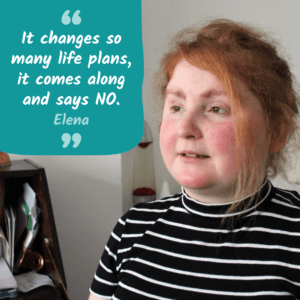
Following a seizure in 2024, Charles underwent brain surgery and treatment for a rare tumour. He is still living with its effects and ongoing monitoring. In September 2026, he(...)
Read Read moreFacing brain cancer and moving forward Life for Kash changed very quickly, following many months of unresolved symptoms and a gut feeling that something wasn’t right. In(...)
Read Read moreSupport for the whole family after a brain tumour diagnosis When Jane was diagnosed with a brain tumour in March 2025, her world changed in an instant. She had felt well, apar(...)
Read Read moreA brain tumour diagnosis can affect far more than treatment and appointments. Many people describe the emotional and practical impact as something others cannot always see or understand.
You are not alone — and many others have faced the same feelings of uncertainty, overwhelm and isolation that a diagnosis can bring.
"When everything felt overwhelming, speaking to people who understood brought a sense of calm and reassurance."
Explore stories from others in the brain tumour community and learn more about the hidden impact of a brain tumour diagnosis.
Hear from others in our community

How our Support Group helps Helen find her ‘new normal When Helen was diagnosed with a grade one meningioma, she was in too much shock to read all the information and support leaflets she was given. It was only months…
Read Helen’s story
“Everyone’s experience of a brain tumour is different. But having someone who listens and understands can bring a sense of calm when things feel uncertain.”
 5 October 2026
Kash Raju describes himself as an ‘average family man’, working hard, into fitness, and living a busy life with his wife and three young children. But life for him and his(...)
Read Read more
2 October 2026
St Austell Charitable Trust recently awarded us a £3,000 grant for our support services in the South West. This generous donation will fund three in-person support groups in (...)
Read Read more
30 September 2026
Members of Yate and District Bowls Club chose Brain Tumour Support as their club charity for 2026, raising £1,200 through fundraising and donations throughout the season. Thi(...)
Read Read more