
Alex’s story
Alex was diagnosed with a colloid cyst in 2022, but it was only recently, with the news of Davina McCall undergoing surgery for the same type of brain tumour, that he appreciated just how rare it was. Alex told us…
Read Alex’s story
The grading of brain tumours is complex and can be very confusing, and sometimes a tumour can’t even be given a grade. Terminology used by professionals doesn’t always match what people experience in real life, and phrases like ‘low grade’ can feel unclear or even misleading.
So, we want to uncover the real impact that these brain tumours have, from the challenges of treatment and recovery, to the way others perceive the diagnosis. We aim to make this complex field better understood, highlight the experiences of people affected and ensure that support and awareness are priorities.
The grading system for brain tumours describes the type and behaviour of the tumour, but this clinical definition doesn’t always reflect the level of impact it may have on someone’s life.
Low-grade tumours usually grow more slowly than high-grade tumours, and the cells appear less aggressive under a microscope. However, some low-grade brain tumours, like low-grade gliomas (grade 2), can still be cancerous.
Sometimes it’s not possible to assign a grade to a tumour, and the grade is therefore considered uncertain.
Even low-grade or uncertain-grade brain tumours that are non-cancerous can affect important brain functions, require surgery or ongoing treatment and have long-term consequences. The terminology can be confusing, so it’s important to look beyond the label and understand its practical and emotional impact.
Not always. Some low-grade brain tumours, such as low-grade gliomas (grade 2), are cancerous, while others are not.
‘Low grade’ refers to how the tumour cells look under a microscope and the speed with which they are likely to grow.
Whether or not a low-grade tumour is cancerous, the most important thing is to understand how it affects you personally and to get the right support for your situation.
Sometimes a brain tumour can’t be assigned a grade and may be described as ‘uncertain’ or ‘indeterminate’.
This can happen for several reasons:
When a tumour’s grade is unknown, it may still require treatment, have long-term impacts on daily life, and it can be particularly hard to cope with the uncertainty of this situation.
Even when a brain tumour is classified as low grade or uncertain, its effects can be significant and are not always visible.
Some of the hidden impacts include:
Even though the tumour may grow slowly or appear less aggressive, these hidden impacts often make a real difference to quality of life, and can be life-changing or life-limiting.
When a tumour is described as low grade or uncertain grade, other people — including sometimes medical professionals, friends, or family — may assume it isn’t serious.
This can make it harder for the individual to access the support, understanding and practical help they need. But even when a tumour grows slowly, the impact can be significant due to its position in or next to the brain.
Being overlooked or misunderstood can add emotional strain, isolation and frustration, which is why raising awareness and prioritising specific support for people with low-grade or uncertain-grade brain tumours is so important.
People with low-grade or uncertain-grade brain tumours often need ongoing support across many areas of life, not just at the time of diagnosis or treatment.
This can include:
Because these brain tumours often require long-term monitoring and care, support may be needed for many years. Accessing the right resources and being understood by clinicians, employers and family can make a significant difference to quality of life.
A brain tumour diagnosis changes lives, whatever the grade. Even slow-growing brain tumours can have a profound impact on daily life, health and wellbeing.
People living with low-grade or uncertain-grade brain tumours deserve understanding, compassion and ongoing support from everyone around them, including clinicians, colleagues, friends and family members. Recognising the hidden challenges they face helps ensure they are not overlooked or misunderstood.
Listening to and valuing their experiences enables healthcare teams, colleagues and loved ones to provide the right practical and emotional long-term support, helping people to manage their brain tumour, cope with changes and maintain quality of life. Ultimately, understanding and support from all areas of life are key to ensuring that nobody feels isolated or forgotten.
For further in-depth information on low-grade gliomas, the Astro Brain Tumour Fund is the UK charity which focuses purely on low-grade glioma (astrocytoma, oligodendroglioma and ependymoma grades 1 and 2) brain tumours.
“When I was first diagnosed, I wasn’t offered any counselling or guidance. It was overwhelming and lonely. And when I learned my tumour was growing again, I faced a whole (...)
Read Read moreSian’s life changed suddenly when tests for an unrelated eye condition revealed a brain tumour. She shares the emotional rollercoaster of diagnosis, scans and living with un(...)
Read Read moreAlex was diagnosed with a colloid cyst in 2022, but it was only recently, with the news of Davina McCall undergoing surgery for the same type of brain tumour, that he apprecia(...)
Read Read moreIf you’re unsure where to begin, our Support Team is here to listen and help you explore the support available for you or someone close to you.
01454 422 701 (Monday – Friday, 9 am – 5 pm)
Email our support team
Our services are free and confidential. If you’d prefer, you can complete our request support form at any time and a member of the team will be in touch.
Get free support
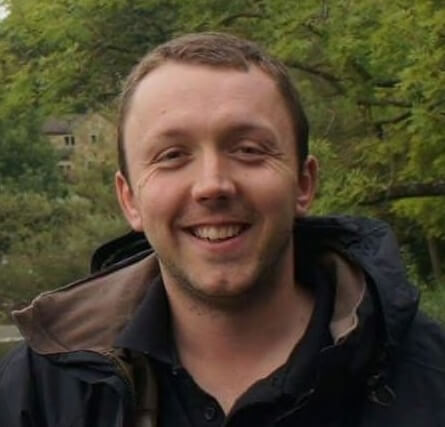
Alex was diagnosed with a colloid cyst in 2022, but it was only recently, with the news of Davina McCall undergoing surgery for the same type of brain tumour, that he appreciated just how rare it was. Alex told us…
Read Alex’s story
 29 July 2026
Brain tumour charities call for progress on research, treatment and support This month, we joined five other key organisations dedicated to helping the brain tumour community (...)
Read Read more
16 July 2026
The South West team at Gleeds Energy Limited have found an inventive way to support Brain Tumour Support while encouraging colleagues to get active and boost their wellbeing. (...)
Read Read more
16 July 2026
We recently received a grant from bClear Communications to help fund one of our Men’s Support Groups. This online group, run by a male Support Professional, gives patien(...)
Read Read more