Female surgeon touching virtual screen of electroencephalography brain scan report, Healthcare and medical technology concept.

Brain tumour types

Understanding the different types of brain tumours

There are many different types of brain tumours. They are usually named after the type of cell they develop from or the part of the brain where they begin.

  • Brain tumours are often named after the cells they develop from or the part of the brain where they start.
  • Brain tumours can be low-grade (slow growing) or high-grade (faster growing).
  • Some tumours begin elsewhere in the body and spread to the brain. These are known as secondary brain tumours or metastases.

Glioma

More than half of all brain tumours are gliomas. These tumours develop from glial cells, which are the supporting cells of the brain and spinal cord.

Gliomas can occur in different grades. Some grow slowly (generally grade 1 or 2), while others grow more quickly (generally grade 3 or 4).

Types of glioma include:

  • Astrocytoma – the most common type of glioma, developing from cells called astrocytes. A grade 4 astrocytoma is known as glioblastoma multiforme.
  • Oligodendroglioma – develops from glial cells known as oligodendrocytes.
  • Ependymoma – develops from ependymal cells and is a rare type of glioma.

Meningioma

About one quarter of brain tumours are meningiomas. These tumours develop in the meninges, the protective membranes surrounding the brain and spinal cord.

Most meningiomas are slow-growing and low-grade, although a small number can grow more quickly.

Acoustic neuroma

Acoustic neuromas, also called vestibular schwannomas, are usually slow-growing tumours that develop from the nerve connecting the inner ear to the brain.

People with the genetic condition Neurofibromatosis type 2 (NF2) have a higher risk of developing this tumour.

Primary central nervous system lymphoma

Primary central nervous system lymphoma (PCNSL) is a rare type of lymphoma that begins in the brain or spinal cord. It is usually a fast-growing tumour.

Haemangioblastoma

Haemangioblastoma is a rare, slow-growing tumour that often develops in the cerebellum and occasionally in the brain stem or spinal cord.

Medulloblastoma

Medulloblastoma is a high-grade tumour that develops in the cerebellum. It is rare in adults but one of the most common brain tumours in children.

Pineal region tumours

These rare tumours develop in the pineal gland, located deep in the centre of the brain. One of the most common types is a germ cell tumour.

Pituitary tumour

The most common tumours of the pituitary gland are pituitary adenomas. These tumours are usually slow-growing but can affect hormone production.

Craniopharyngioma

Craniopharyngiomas are rare tumours that develop near the pituitary gland and optic nerves.

Spinal cord tumour

Although uncommon, tumours can also develop in the spinal cord. These tumours may cause symptoms by pressing on the nerves within the spinal cord.

Source: Macmillan Cancer Support

Medical professional reviewing brain scan results on tablet device

Brain tumour statistics

Around 13,000 people

in the UK are diagnosed with a primary brain tumour every year

100,000+ people

in the UK are living with a brain tumour diagnosis

Over 100 types

of brain tumours, making them complex to diagnose and treat

More than 5,400 people

lose their lives to a brain tumour each year in the UK

Living with the hidden impact of a brain tumour diagnosis

A brain tumour diagnosis can affect far more than treatment and appointments. Many people tell us the emotional, practical and long-term impact is often unseen by others.

The hidden impact can touch every part of life — from the moment of diagnosis, through treatment and beyond — affecting relationships, work, independence and mental health in ways that others don't always see.

If you recognise your own experience, or want to understand more about the support available at every stage, you are not alone.

Explore support for every stage
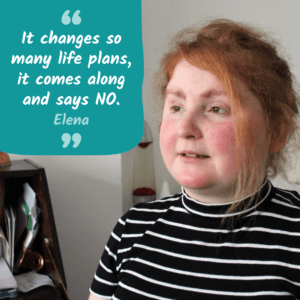
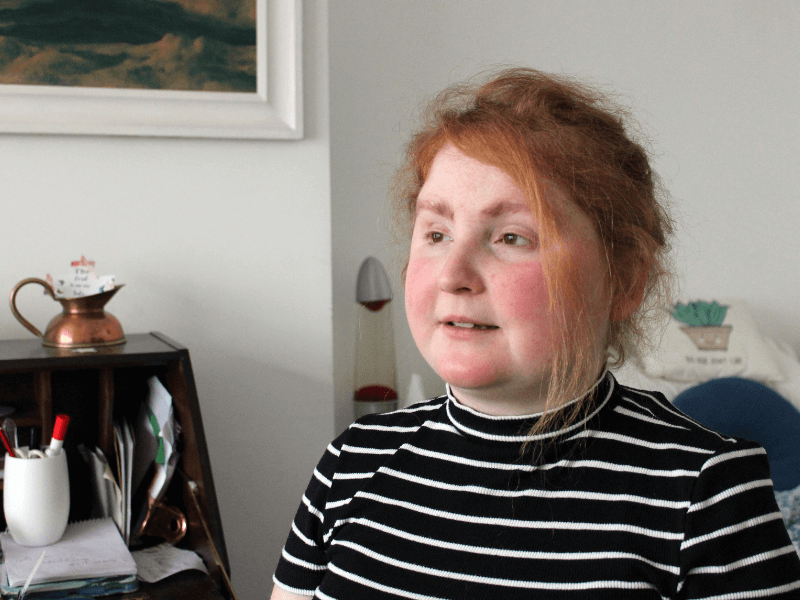
Elena has been supported by Brain Tumour Support and talks about being a young person with a brain tumour diagnosis. Image shows Elena talking to a person.
Young red-haired woman in black and white striped top, seated in bedroom, thoughtful and looking slightly away from camera

Elena’s story

Elena was diagnosed with a brain tumour at nineteen, just as she was about to start university. She shares how that moment changed her life, the long-term impact of her diagnosis and why ongoing support continues to matter.

Read Elena’s story

Talk to our support team

If you’re unsure where to begin, our Support Team is here to listen and help you explore the support available for you or someone close to you.

☎ 01454 422 701 (Monday – Friday, 9 am – 5 pm)

✉ Email our support team

Our services are free and confidential. If you’d prefer, you can complete our request support form at any time and a member of the team will be in touch.

Get free support
Brain Tumour Support square image featuring Andy smiling at the camera. The copy reads #SupportMatters - because you matter

The hidden impact, shared in their own words

Charles’s story

Following a seizure in 2024, Charles underwent brain surgery and treatment for a rare tumour. He is still living with its effects and ongoing monitoring. In September 2026, he(...)

Read Read more

Kash’s story

Facing brain cancer and moving forward Life for Kash changed very quickly, following many months of unresolved symptoms and a gut feeling that something wasn’t right. In(...)

Read Read more

Jane’s family story

Support for the whole family after a brain tumour diagnosis When Jane was diagnosed with a brain tumour in March 2025, her world changed in an instant. She had felt well, apar(...)

Read Read more

Read our latest news

5 October 2026 5 October 2026

Young dad raising awareness of brain tumour symptoms as he fac(...)

Kash Raju describes himself as an ‘average family man’, working hard, into fitness, and living a busy life with his wife and three young children. But life for him and his(...)

Read Read more

2 October 2026 2 October 2026

St Austell funds support in the South West

St Austell Charitable Trust recently awarded us a £3,000 grant for our support services in the South West. This generous donation will fund three in-person support groups in (...)

Read Read more

30 September 2026 30 September 2026

Yate and District Bowls Club raise £1,200 for Brain Tumour Su(...)

Members of Yate and District Bowls Club chose Brain Tumour Support as their club charity for 2026, raising £1,200 through fundraising and donations throughout the season. Thi(...)

Read Read more