How to get a diagnosis

Worrying about a brain tumour?

Symptoms and anxiety, tips for coping

Brain tumours can present in several different ways, and most symptoms, such as worsening fatigue, are not specific to brain tumours, so they can take a while to diagnose.

  • Headaches are not necessarily an indication of a brain tumour, but some patients do report worsening headaches which may not be controlled by regular painkillers. Brain tumour headaches may be worse in the mornings.
  • For some, the first indication that they have a brain tumour may be a seizure, which may or may not be accompanied by a loss of consciousness.
  • Nausea, vomiting and dizziness can be symptoms of a brain tumour
  • Some brain tumours are diagnosed after a trip to the optician to investigate changes in vision
  • Some result in changes to taste and smell.

It is important to note that while the above symptoms may suggest a brain tumour, they are also symptoms of other illnesses. Please always consult with your GP

Anxiety

It is normal to feel worried and anxious when not feeling well, especially when fearing a serious condition.

Anxiety can create a range of symptoms: intrusive thoughts, a racing mind, feeling overwhelmed, feelings of panic and of dread and hopelessness, fear and worry about the future and about family members and friends.

Physical symptoms of anxiety include nightmares, sweating, tiredness and fatigue, increased heart rate, shallow breathing, nausea or upset stomach, and changes in appetite or sleep patterns.

Depression or low mood

The concern can also cause feeling depressed or being low. This can result in withdrawing and isolating yourself, loss of enjoyment or interest in hobbies and leisure, feeling upset and or tearful and sometimes even thoughts of self-harm.

How to cope – tips for staying calm

Meditation can be helpful

You may find there is a class near you and there is lots of information on the internet and apps you can download. A good resource with lots of free sections is Insight Timer. This has meditation classes of many types and lengths, as well as talks, music, sleep tips and much more.

Deep breathing and PMR (progressive muscle relaxation)

PMR is a relaxation technique that involves tensing and relaxing specific muscles in turn. Usually, a person begins with the feet and works their way up the body, taking deep, slow breaths throughout the exercise. By focusing on tensing and relaxing muscles individually, a person becomes focused on the present moment.

Grounding techniques

Grounding techniques help control these symptoms by turning attention away from thoughts, memories, or worries, and refocusing on the present moment. You can find lots of types of grounding techniques online.  This useful article on grounding techniques is a good starting point.

Talking therapy – accessing support services and counselling

Many people find it helpful to talk about their worries to someone who is independent of their life. Being heard by another person can be a very powerful validation of us as valuable human beings.

Brain Tumour Support has a team of Support Professionals as well as specialist counsellors who can help. There are also directories of counsellors, and your GP may be able to refer you to an NHS counsellor or psychologist.

Meet our support team

Useful links

Engaging in hobbies and meaningful activities

It can be helpful and relaxing to take your mind off things by engaging in a hobby you used to love or exploring new ones. People also report that taking up activities that have some meaning or purpose also makes them feel better in themselves, e.g. volunteering for a local charity or joining the community. Being creative can also be uplifting.

It has been proven that doing things in nature, including gardening, is very restorative of mind and body.

Wellbeing tips

Feelings of well-being are fundamental to our overall health, helping us to deal with difficulties and achieve what we want out of life. You might like to try some of the things that are known to help with a sense of well-being:

  • Exercise of any kind, vigorous or gentle. Do you have a local gym or swimming pool, dance class in the community centre, yoga or pilates, climbing wall or walking groups?
  • Walking, gardening and being outdoors and in nature – just a sort of fifteen to thirty minutes can make a big difference
  • Meeting with friends and family – make some time to connect with people you love, and perhaps reach out and make new friends in the community by engaging in local activities
  • Volunteering and fundraising for a cause that resonates with you
  • Music, dance, arts and crafts – classes and workshops in your town or area, including online
  • Working with animals – walking dogs, fostering, helping out at an animal shelter or local stables
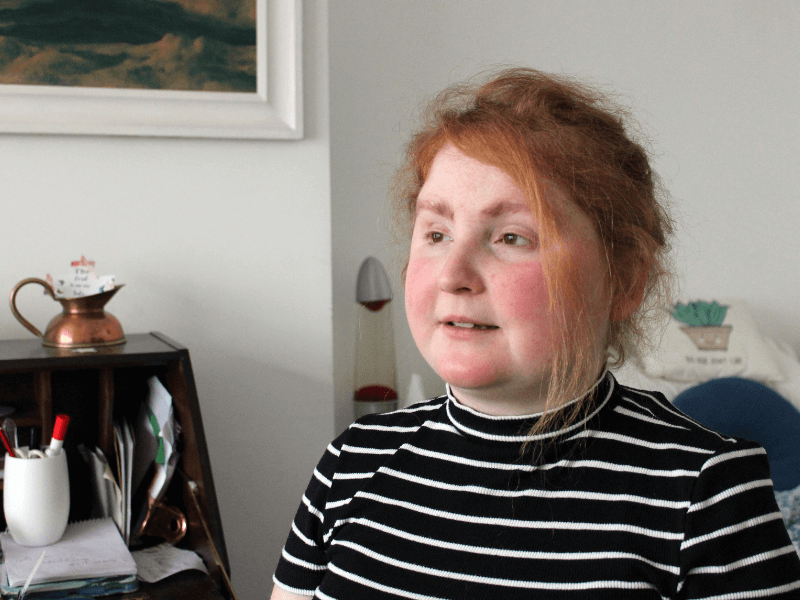
Young red-haired woman in black and white striped top, seated in bedroom, thoughtful and looking slightly away from camera

Elena’s story

Elena was diagnosed with a brain tumour at nineteen, just as she was about to start university. She shares how that moment changed her life, the long-term impact of her diagnosis and why ongoing support continues to matter.

Read Elena’s story

Find about more about brain tumours

Brain tumour facts

Understand more about brain tumours, types, symptoms and treatment as well as up-to-date statistics.

Brain tumour facts

Signs and symptoms

The signs and symptoms of brain tumours in adults can include headaches and seizures.

Signs and symptoms

Brain tumour types

There are more than 130 different types of brain tumours. The most common type of brain tumours in adults is glioblastoma multiforme (GBM).

Brain tumour types

Living with a brain tumour

We not only support patients but also families, carers and loved ones who are dealing day to day with the impact of a brain tumour.

Living with a brain tumour

End of life

Although it can be difficult to think about the later stages of life, a brain tumour diagnosis can force you to consider your options.

End of life

A-Z Medical terms

Learn about medical terminology.  We’ve put together a list of useful medical terms in a handy A-Z.

A-Z medical terms

Personal stories of strength and resilience

Jane, Simon and Alice’s story

Support for the whole family after a brain tumour diagnosis When Jane was diagnosed with a brain tumour in March 2025, her world changed in an instant. She had felt well, apar(...)

Read Read more

Elaine’s story

After being diagnosed with a high grade brain tumour, Elaine faced treatment, family worries and major life changes. With support from Brain Tumour Support, she found space to(...)

Read Read more

Robert’s story

Robert’s story: finding hope again on the waves From childhood, Robert’s passion was surfing. As a competitive rower too, he had always been fit, active and happiest when (...)

Read Read more

Latest news from Brain Tumour Support

29 July 2026 29 July 2026

Joint charity letter to Secretary of State for Health and Soci(...)

Brain tumour charities call for progress on research, treatment and support This month, we joined five other key organisations dedicated to helping the brain tumour community (...)

Read Read more

16 July 2026 16 July 2026

Gleeds Energy steps up for support

The South West team at Gleeds Energy Limited have found an inventive way to support Brain Tumour Support while encouraging colleagues to get active and boost their wellbeing. (...)

Read Read more

16 July 2026 16 July 2026

bClear Communications’ grant helps fund support

We recently received a grant from bClear Communications to help fund one of our Men’s Support Groups. This online group, run by a male Support Professional, gives patien(...)

Read Read more