
A brain tumour diagnosis can raise many questions about work. You may be wondering whether to tell your employer what adjustments you’re entitled to, or how treatment might affect your job.
You are not alone in facing these decisions. There are legal protections in place to support you, and practical steps that can help make work more manageable.
You are not legally required to disclose a diagnosis immediately. However, telling your employer can help protect you and ensure your safety at work, particularly if you are at risk of seizures or side effects from treatment.
Sharing information may also make it easier to access workplace support or adjustments.
Under the Equality Act 2010, people diagnosed with cancer are automatically considered to have a disability from the point of diagnosis. This means you are protected from discrimination at work.
Your employer has a duty to consider reasonable adjustments to help you remain in work where possible.
Reasonable adjustments may include:
Adjustments will depend on your role and individual needs.
You may need time away from work for treatment, recovery or managing side effects. Your employer should discuss options with you, which may include sick leave, phased return or flexible arrangements.
If you are unsure about your rights, seeking independent employment advice may be helpful.
If you’re unsure how to approach conversations at work, or need help understanding your rights, our Support Professionals are here to listen and guide you.
01454 422 701 (Monday–Friday, 9am–5pm)
Our services are free and confidential. If it’s outside office hours, you can complete our request support form and we’ll be in touch.
Get support
Returning to work, or trying to keep working, can be one of the most difficult parts of life after a brain tumour diagnosis. The impact is often hidden: fatigue, cognitive changes, anxiety, loss of confidence, and the pressure of explaining what’s changed.
This Brain Tumour Awareness Month, we’re sharing real experiences that highlight what people and families face beyond treatment, including work, finances, caregiving and life after loss. If you’re navigating conversations with an employer or colleague, you’re not alone.
Explore the campaign to read stories, find support and better understand the wider impact that so many people carry quietly.
Explore Brain Tumour Awareness Month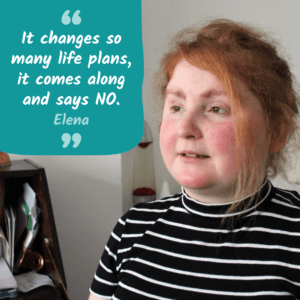
Following a seizure in 2024, Charles underwent brain surgery and treatment for a rare tumour. He is still living with its effects and ongoing monitoring. In September 2026, he(...)
Read Read moreFacing brain cancer and moving forward Life for Kash changed very quickly, following many months of unresolved symptoms and a gut feeling that something wasn’t right. In(...)
Read Read moreSupport for the whole family after a brain tumour diagnosis When Jane was diagnosed with a brain tumour in March 2025, her world changed in an instant. She had felt well, apar(...)
Read Read more
 5 October 2026
Kash Raju describes himself as an ‘average family man’, working hard, into fitness, and living a busy life with his wife and three young children. But life for him and his(...)
Read Read more
2 October 2026
St Austell Charitable Trust recently awarded us a £3,000 grant for our support services in the South West. This generous donation will fund three in-person support groups in (...)
Read Read more
30 September 2026
Members of Yate and District Bowls Club chose Brain Tumour Support as their club charity for 2026, raising £1,200 through fundraising and donations throughout the season. Thi(...)
Read Read more