
There are many ways we can support anyone affected by a brain tumour, their family, friends and carers.
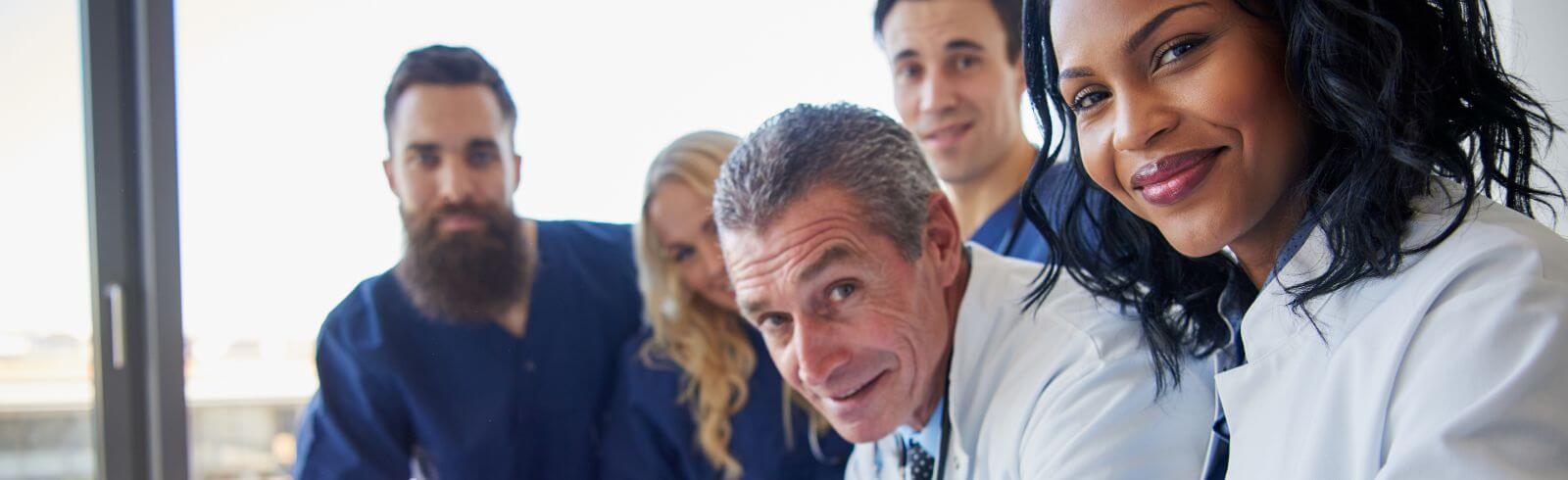
When you are diagnosed with a brain tumour, you may meet many different healthcare professionals during your care. Understanding who they are and the role they play can help you feel more confident when attending appointments or discussing treatment.
Most brain tumour care is delivered by a group of specialists known as a multidisciplinary team (MDT). These professionals work together to review test results, discuss treatment options and plan the care that is right for you.
“It helped to understand who everyone was and what their role was. Once I knew who to ask, appointments felt much less overwhelming.”
Your treatment and care are managed by a team of specialists who have experience in treating brain tumours.
This team is called a multidisciplinary team (MDT). The MDT meets regularly to review scans, test results and medical information so they can recommend the most appropriate treatment options for you.
Using the expertise of several specialists helps ensure that your care is carefully considered and tailored to your individual needs.
Depending on your diagnosis and treatment, you may meet several different healthcare professionals during your care. Each person plays a different role in supporting your treatment, recovery and wellbeing.
A Clinical Nurse Specialist is an experienced nurse who supports people with a specific condition. Your CNS can explain treatments, discuss possible side effects and help coordinate different parts of your care.
A doctor who specialises in treating cancer using treatments such as chemotherapy, targeted therapies, immunotherapy and radiotherapy.
Community nurses provide support when you return home or receive treatment as an outpatient. They may offer advice, education and help arrange practical nursing care.
A senior doctor responsible for overseeing your treatment and care.
A specialist who provides advice on nutrition, appetite changes and maintaining a healthy diet during treatment.
A doctor who specialises in diagnosing and treating conditions affecting the brain and nervous system.
A surgeon who performs operations on the brain or nervous system.
An occupational therapist helps people regain independence in everyday activities such as cooking, working or managing tasks at home.
Physiotherapists help improve strength, movement and balance during recovery.
A therapist who helps with speech, swallowing, reading or writing difficulties.
Psychologists or counsellors provide emotional support for patients and families coping with diagnosis and treatment.
Social workers can help with practical matters such as benefits, finances, employment or changes in caring responsibilities.
Palliative care focuses on managing symptoms and improving quality of life for people with serious illness. It is not the same as end of life care.
The multidisciplinary team (MDT) reviews your scans, test results and overall health before recommending treatment options.
Your doctor and nurse will then discuss these options with you so that together you can decide on the treatment plan that feels right for you.
Always ask questions if something feels unclear or worrying — your healthcare team is there to support you.
Understanding who is involved in your care can make a difficult time feel a little clearer and less overwhelming.
Your healthcare team is made up of specialists who work together to guide you through diagnosis, treatment and recovery.
You do not have to navigate this journey alone — support and expertise are around you every step of the way.
Meeting different specialists and understanding the roles within your healthcare team can sometimes feel confusing, especially during diagnosis and treatment.
Our experienced support team can help you understand how your healthcare team works together, prepare questions for appointments and talk through any concerns you may have.
You do not have to navigate this alone. Support is available whenever you need it.
Call our support team: 01454 422 701 (Monday – Friday, 9 am – 5 pm)
Request support using our online form
Get free support
There are many ways we can support anyone affected by a brain tumour, their family, friends and carers.
Helping you manage the practical steps for you and your family through a brain tumour diagnosis and treatment.
Find information designed to inform and empower patients, caregivers and loved ones.

In 2016, Konnie went for an eye test at her local opticians because she thought she might need stronger lenses. But the optician noticed a swelling behind her eye and before she knew it, she was having an operation to remove a tumour.
Read Konnie’s storySupport for the whole family after a brain tumour diagnosis When Jane was diagnosed with a brain tumour in March 2025, her world changed in an instant. She had felt well, apar(...)
Read Read moreAfter being diagnosed with a high grade brain tumour, Elaine faced treatment, family worries and major life changes. With support from Brain Tumour Support, she found space to(...)
Read Read moreRobert’s story: finding hope again on the waves From childhood, Robert’s passion was surfing. As a competitive rower too, he had always been fit, active and happiest when (...)
Read Read more
 24 August 2026
The strength of a community coming together Lucy Wilkinson, Head of Support Services at Brain Tumour Support, reflects on the impact of recent national news coverage about bra(...)
Read Read more
29 July 2026
Brain tumour charities call for progress on research, treatment and support This month, we joined five other key organisations dedicated to helping the brain tumour community (...)
Read Read more
16 July 2026
The South West team at Gleeds Energy Limited have found an inventive way to support Brain Tumour Support while encouraging colleagues to get active and boost their wellbeing. (...)
Read Read more