
There are many ways we can support anyone affected by a brain tumour, their family, friends and carers.
Having a brain tumour may cause sleep problems because of the physical changes caused by the tumour or the treatment. Stress worry and anxiety often cause sleeping problems as do certain drugs or treatments. Being in the hospital may also make it harder to sleep.
Lack of sleep can cause irritability, depression, difficulty concentrating, staying alert and being involved in activities during the day. You may not be able to remember treatment instructions and may have trouble making decisions. Being well-rested can improve energy and help you cope with the side effects of treatment.
If you have difficulty talk to your GP or oncology team. They will make an assessment to find problems that may be causing the sleep disorder and how it affects your life. A sleep disorder assessment includes a physical exam, health history (diet, exercise, emotions, medicines), and sleep history.
Treating sleep disorders may include supportive care for side effects of the tumour or treatment, such as cognitive behavioral therapy may reduce anxiety and help you relax and learn good sleep habits. If treatment without drugs does not help, sleep medicines may be used for a short time.
To access our support services, call our Support Co-ordinator today on 01454 422 701 or email support@braintumoursupport.co.uk.
Our Support Co-ordinator is available Monday to Friday, 9 am to 5 pm. Our services are free and confidential. We're here to listen and support you through your journey.
#BrainTumourSupport #SupportMatters #TogetherWeAreStronger
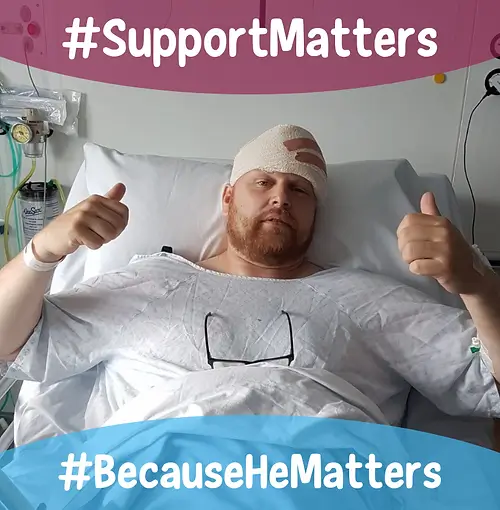
As a service user, I know first-hand the impact of brain tumours on mental health. That's why I'm grateful for the support service that provided me with a safe space to talk, share, and heal.Fill in our support enquiry form
There are many ways we can support anyone affected by a brain tumour, their family, friends and carers.
Helping you manage the practical steps for you and your family through a brain tumour diagnosis and treatment.
Find information designed to inform and empower patients, caregivers and loved ones.
Our monthly schedule of online support sessions offers the opportunity for patients, family members, friends and carers to connect, gain support and information, and share experiences via Zoom.
The groups are open to anyone affected by any type or grade of brain tumour, whether as a patient, family member, friend or carer.
We host support groups in Devon and Cornwall, Dorset and Hampshire, Wales and the Midlands.
Our online Facebook Support Forum supports anyone affected by any kind of brain tumour and provides friendly peer-to-peer support 24/7.
Support for the whole family after a brain tumour diagnosis When Jane was diagnosed with a brain tumour in March 2025, her world changed in an instant. She had felt well, apar(...)
Read Read moreAfter being diagnosed with a high grade brain tumour, Elaine faced treatment, family worries and major life changes. With support from Brain Tumour Support, she found space to(...)
Read Read moreRobert’s story: finding hope again on the waves From childhood, Robert’s passion was surfing. As a competitive rower too, he had always been fit, active and happiest when (...)
Read Read more
 29 July 2026
Brain tumour charities call for progress on research, treatment and support This month, we joined five other key organisations dedicated to helping the brain tumour community (...)
Read Read more
16 July 2026
The South West team at Gleeds Energy Limited have found an inventive way to support Brain Tumour Support while encouraging colleagues to get active and boost their wellbeing. (...)
Read Read more
16 July 2026
We recently received a grant from bClear Communications to help fund one of our Men’s Support Groups. This online group, run by a male Support Professional, gives patien(...)
Read Read more