
Support and informational sessions in-person and online via Zoom for patients, carers, family and carers across the UK.

This guide has been written as a starting point for talking to your children about your tumour. Regardless of their age they have probably already seen some changes to normal family life and need to understand why these changes are happening e.g. changes in routines and absence due to hospital appointments or admissions, feeling emotional, more talking to other family members. You cannot protect your children from feeling sad but most children, when given explanations, have a remarkable ability to deal with the information that adults worry may be too much for them to cope with.
You know your children better than anyone else does and deciding whether or not to tell them is a very difficult decision. We hope the following information may help you to start to do this.
Although younger children may have little understanding of illness, they are more aware of separation and disruption of routine. Young children often engage in magical thinking i.e. believing wishes can come true and a kiss will make everything better again. They may even believe that they made you ill because they have been naughty. Some children may be afraid to show you that they are frightened or lonely or they don’t want to cry so they don’t upset you. Young children may complain of frequent tummy aches, can become clingy or behave badly at home or at school.
Older children can sometimes use friends more than family for support and comfort which can make them appear to be indifferent. This shows the importance of their friends at the stage in their lives where they are naturally moving away from family life and exploring their own independence. They may show resentment and anger if their time spent participating in out-of-school activities or time with their friends is compromised due to changes in family routines due to your illness. Some teenagers may take any extra responsibility in their stride, appear to grow up too quickly and for some conflict to arise from as they find that their newfound responsibilities are taken away as you start to feel better.
Being honest doesn’t mean telling everything, it means telling the truth. Children generally know when something is wrong so lack of information or explanation does not protect them as their interpretation of what is wrong can sometimes be a lot more frightening than the situation is. Start with a simple explanation and see what questions or concerns come up
Use the word cancer or brain tumour. You may worry that it is better not to use these words when talking to your children. However, they can become easily confused if things are not clearly explained so it is important when you tell them about your diagnosis you use the word cancer or brain tumour and give your best understanding of what may happen. For example, “Daddy has a lump in his brain and it’s called a brain tumour. The doctors are going to give special medicine to try to make it better”. Sharing feelings, emotions and information can strengthen the bond between you and your children, making you even closer as a family.
Explain it’s not their fault. Younger children are sometimes worried that they may have caused the illness. Reassure them that nothing they or anyone else did caused the tumour. There is a risk of children finding out from someone else which could not only damage the trusting relationship you have but may lead them to hearing the wrong information and cause more anxiety.
Explain that brain tumours are not catching. Reassure your children that the tumour is not contagious and that it is safe for them to be with you or the person with the tumour.
Explain how you can keep in touch if you need to go to the hospital. If you have to stay in hospital your children may worry about being apart from you. Staying in touch may help reassure them that the illness does not affect how much you love them. Send a text or e-mail or set a time each day to call can help reassure your children and encourage them to visit. If they are used to you reading to them each night, record yourself reading some of their favourite books so they can listen to at home.
Encourage questions. Let your children know that it’s okay to ask any questions and don’t be afraid to say, “I don’t know.” Children may have their own questions about what is going on but are afraid to ask because they know that the adults do not want to talk about things. Giving the best explanation that you can and keeping your children updated about your illness, will help to reassure them, whilst giving them the opportunity to share their anxieties with you
Explain any treatments you may have. Many children confuse the side effects of treatment with the symptoms or signs of the tumour. For example, they may worry that chemotherapy side effects such as fatigue, nausea, and vomiting may mean that the illness is getting worse. Explain that although the treatment may have some difficult side effects it is working to help you get better. Cancer and brain tumour treatment may affect your appearance so it is helpful to explain any potential physical changes such as hair loss before it occurs so that they can be better prepared.
Explain changes in the family routine. Try to keep your children’s routines as consistent as possible but acknowledge that some things may be different. They may need to know that it is still okay to go to an activity they enjoy such as swimming or to have friends round for tea.
Inform the school. If your child is at school, it can be helpful to have a quiet word with their class teacher. The teacher can then be aware of any behaviour changes and can ensure that extra support is in place if needed. If your child is taking GCSE, A level or other important exams it is important for the school to be aware of anything that could affect them. Remember to also let the teacher know how much information you want other people to have.
Remember to still enjoy being a family! It is okay to have fun and enjoy yourself as a family and spending time together is an ideal time to re-energise each other whilst creating opportunities for your children to talk to you and for you to talk to them.
This information was written by Michelle Pengelly and Michele Pengelly, Supportive care lead nurse at Velindre Cancer Centre in Cardiff, Wales. Sometimes the word cancer has been changed to tumour or brain tumour.
Talk to a Brain Tumour Support, Support Professional. They can help you work out what to say and when including talking to your employer. There are also support groups and an online Facebook Forum where you can ask others what they did.
To access our support services, call our Support Co-ordinator today on 01454 422 701 or email support@braintumoursupport.co.uk.
Our Support Co-ordinator is available Monday to Friday, 9 am to 5 pm. Our services are free and confidential. We're here to listen and support you through your journey.
#BrainTumourSupport #SupportMatters #TogetherWeAreStronger
As a service user, I know first-hand the impact of brain tumours on mental health. That's why I'm grateful for the support service that provided me with a safe space to talk, share, and heal.Fill in our support enquiry form
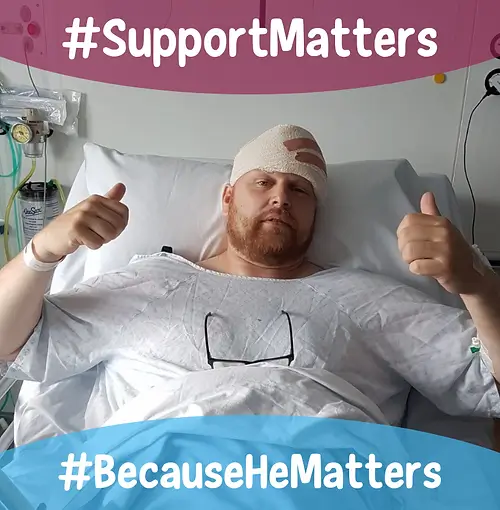
Support is here for you if you have been affected in any way by any type or grade of brain tumour, and whether you are a patient, family member, friend or carer.
Support and informational sessions in-person and online via Zoom for patients, carers, family and carers across the UK.
We believe patients and their families should have access to tools and services that can help them get the support they need.
Counselling helps patients, family members, friends and carers navigate their way through their brain tumour diagnosis.
Our online Facebook Support Forum supports anyone affected by any kind of brain tumour and provides friendly peer-to-peer support 24/7.
Understand the benefits and grants that may be available to you.
Learn about the benefits of exercise, nutrition and staying healthy.
Find information and advice from our library of brain tumour support resources.
Find out more about what you should expect from NHS services.
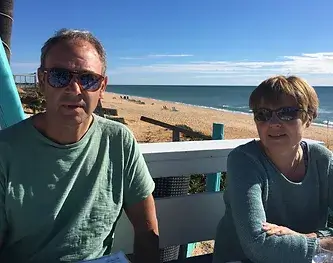
After two rounds of brain surgery and chemotherapy, Richard hit an all-time low and felt suicidal. But he says that attending one of our Support Groups as well as specialist support from our Brain Tumour Support counsellor saved his life.
Read Richard’s story