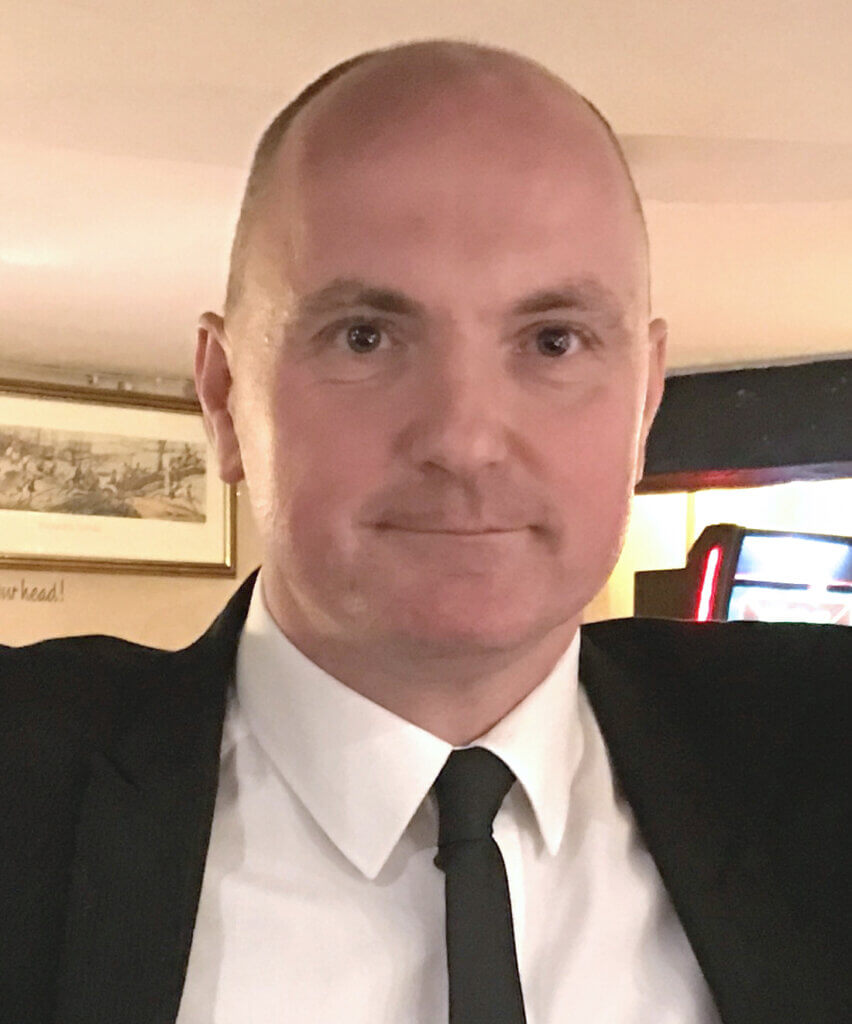
Darren’s story
Twelve years on from his original brain tumour diagnosis, Darren is keen to look for ways to support and encourage others on a similar journey. We’re grateful to him for sharing his story and insights he has gained through his own experience.
Darren was diagnosed with a grade 2/3 oligodendroglioma in 2011, after having a seizure whilst playing football. At the time, he was in his late 30s, with four young children. In March 2012, he had surgery and was given seven to eight years to live.
-
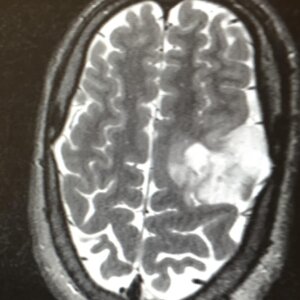
- Darren’s tumour before surgery
-
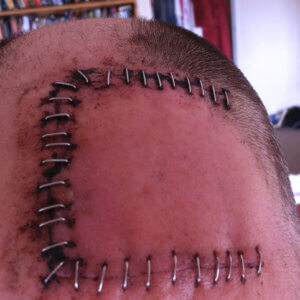
- Darren’s scar post op
-

- Darren’s scar now
Darren says ‘Anyone dreading the procedure thinking the scar will always look like that, it won’t!’
However, beating his prognosis, he went back to work as a prison officer for a further seven years, until a seizure meant that he could no longer continue in the role.
In 2024, Darren had a further seizure, and a second surgery showed that he had residual regrowth.
Now 12 years into his brain tumour journey, Darren has some words of wisdom for anyone in a similar position.
Be kind to yourself
You might be experiencing lots of big changes. A change in your physical or mental abilities, relationships, work, personality, emotions, or daily life. Give yourself time to grieve and adjust, and be gentle on yourself.
Know your rights
Get to know the Equality Act, the benefits system, your rights and entitlement. Forewarned is forearmed, to help you ensure you are accessing everything you are entitled to.
Keep a positive mind set
Where there is life, there is hope. Statistics are not personalised and do not define you and your individual case. Even if you feel the odds are stacked against you, remember that there are new research, trials and advancements.
And also, just new things to experience in life!
Seek second opinions
Don’t be afraid to seek out second opinions if you need to. If you are unsure about your diagnosis, treatment options or your path going forward, you are within your rights to speak to a different consultant, specialist, hospital or trust.
Be prepared
Plan for the future, whether this be Lasting Power of Attorney, writing wills or expressing your wishes. I have a folder with all of the information someone will need if I die. It helps me knowing they will not have to worry about that side of things.
Talk to your family
Speak to your family and lean on each other for support. It is important to have open communication with each other – do not shy away from talking about your fears, about death, or your hopes for the future. Talking is a powerful tool, but sometimes the thing people find most difficult to do.
Build your support network
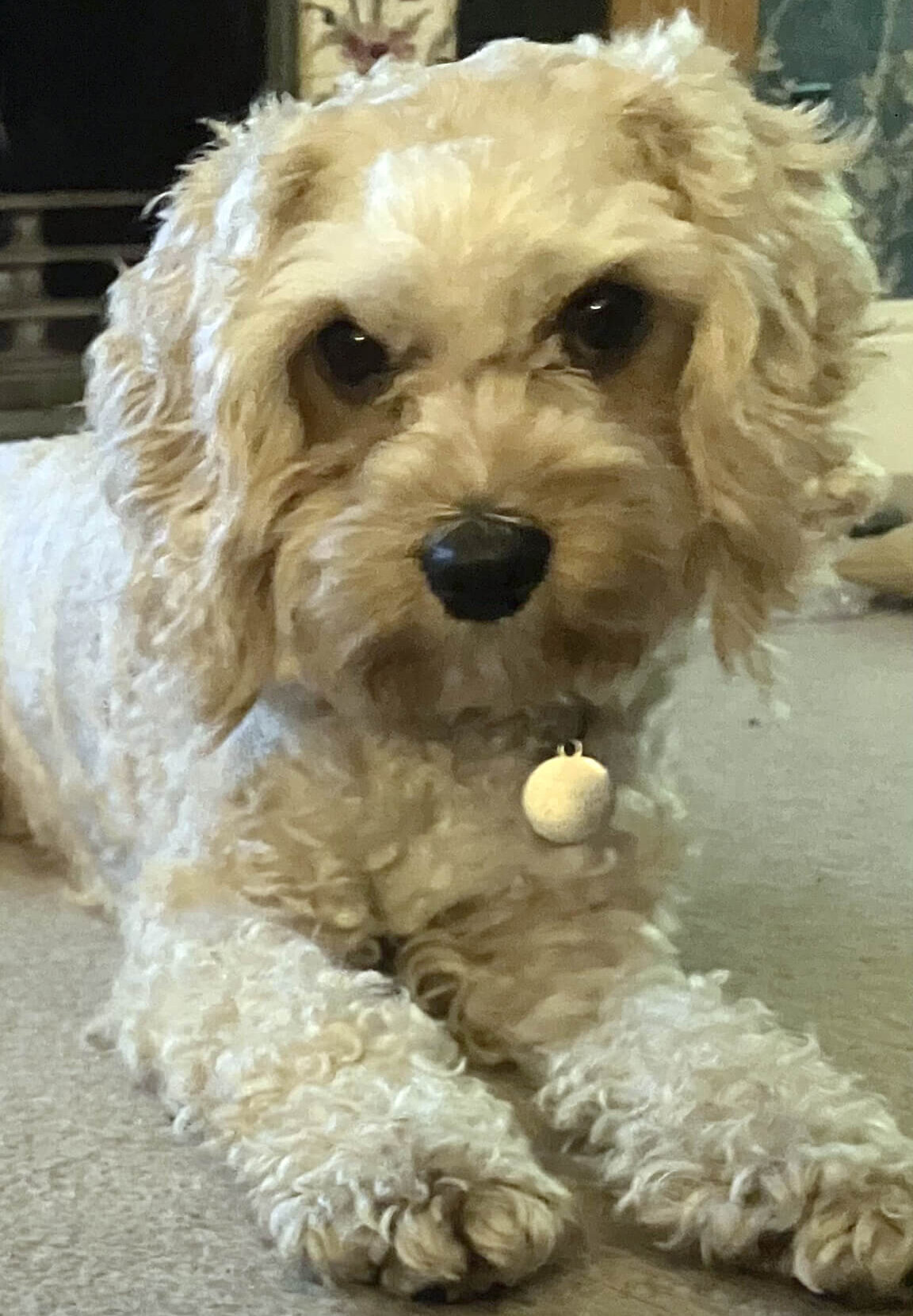 Find people to talk to alongside your family. I have found that friends in quality rather than quantity is important.
I also get a huge amount of support and comfort from my dog Otis, who always seems to know how I’m feeling, and what I need.
Use the support available at Brain Tumour Support through their Support Professionals or joining a support group, where you can share experiences and know you are not alone.
For people who already have a good support system, Brain Tumour Support are the icing on the cake. For those without a strong support system, they are a lifeline.
Support others where you can
Use the support groups, not only as a tool for yourself, but also as a way to support, inspire, advise or encourage others. Give back to them the support you receive from the groups.
Take it day-by-day
Live in the moment, one day at a time. Know your limitations, plan for them, and find alternatives.
And most importantly, find moments of joy in every day.
Brain tumours can affect any one of us, irrespective of age, lifestyle or general health. Every 33 minutes someone in the UK receives this shocking diagnosis, and when faced with the words ‘You have a brain tumour’ the right support to help navigate the path ahead is vital.
Brain Tumour Support wants to ensure that no one feels alone at any stage of that journey. So if you are able to make a donation, helping us to be here for more people like Darren, we would be very grateful. Our support services are always free to access and rely on the generosity of fundraising and donations to be maintained. Thank you so much.
Make a donationYou can also help us out by following all our social media pages, and sharing them with your friends and family. Scroll right to the bottom of this page for all the right links.