
Learn more about the symptoms of a brain tumour and what to do if you’re experiencing any of these symptoms.
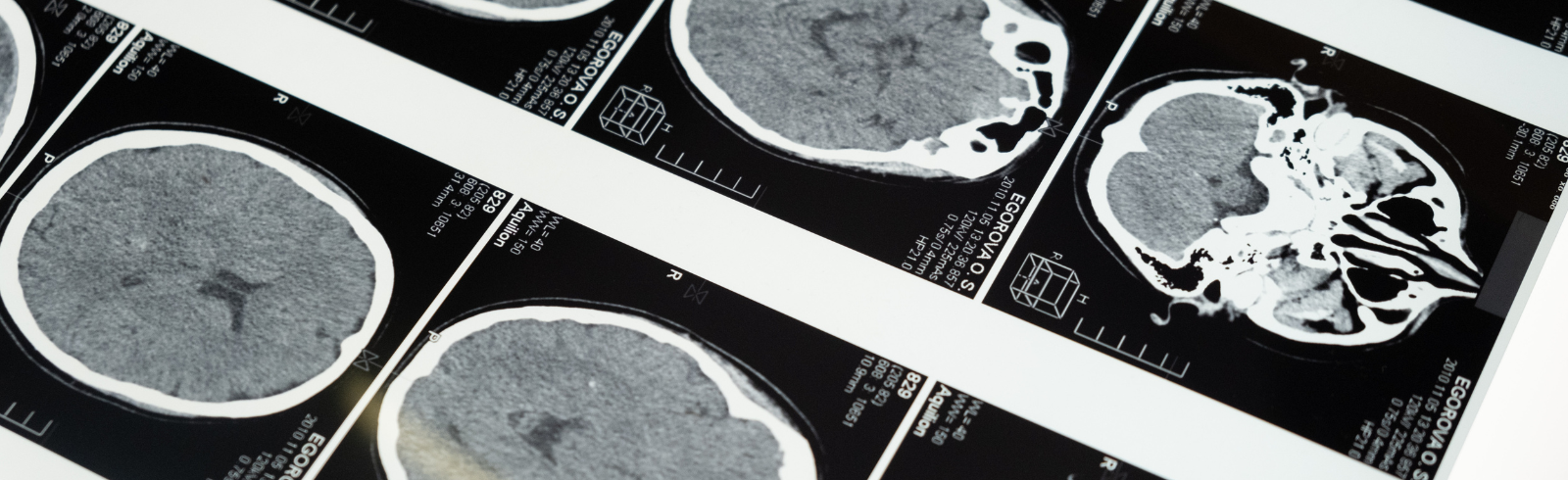
Chemotherapy is the use of drugs to destroy cancer cells by targeting the ways in which cells grow and divide. Chemotherapy relies on the fact that cancer cells divide at a faster rate than healthy cells, but it also affects non-cancer cells, which can cause side effects. Chemotherapy can be given as a stand-alone treatment, alongside radiotherapy or on its own after radiotherapy is finished. It may also be used if the brain tumour re-grows.
The chemotherapy treatment depends on the type and grade of tumour and genetic biomarkers that are present. The treatment team will also consider factors such as the patient’s overall health and age. Most chemotherapy is given in cycles, which allow for a rest period to enable recovery. Most cycles are four to six weeks long.
There are a number of different chemotherapy drugs which are used to treat brain cancer: Temozolomide, Lomustine and Procarbazine which are given as tablets to take at home, Vincristine, which is given intravenously (into a vein) in hospitals and Carmustine, which is sometimes administered directly into the brain during surgery.
The treatment team will discuss side effects with the patient; they may give drugs to combat these, such as anti-sickness drugs to treat nausea.
Chemotherapy can be given after surgery for some types of brain tumour, with radiotherapy and for some months after radiotherapy, or for a brain tumour that has come back after treatment.
If you have a high-grade glioma, you may have chemotherapy and radiotherapy together. The radiotherapy usually lasts 3 to 6 weeks, then the chemotherapy stops for a while, then starts again for up to 6 cycles. Having both treatments can cause more side effects, so you need to be physically well enough to cope.
This treatment is given at a cancer day clinic. It can take anything from a few minutes to a few hours through a drip, sitting in a chair. You might want to take something to help you pass the time – a book, tablet etc. You can usually bring a friend or family member with you.
You will have a blood test before you start, be reviewed by the oncologist and you might need to take some anti-sickness medication. The amount of chemotherapy you receive will be based on your weight, height and general health.
Chemotherapy is sometimes given every day for a few days in a row and doesn’t require you to stay in the hospital. This is called an ambulatory clinic or Ambi-care. Your oncology team will talk to you about accommodation if you need this.
With a high dose, more intense chemotherapy you might need to stay in the hospital overnight or few a few days or even weeks because it’s administered more slowly, you might need a fluid drip, monitoring in case of a reaction and because treatment may have more side effects and you’ll be more at risk of picking up infections.
Chemotherapy, low or high doses, is an intense treatment for the body. When you go home, make sure you tell your oncologist or nurse about any problems or side effects that you have. Your team will give you numbers to call.
Discover a network of support tailored to accompany you every step of your journey. Our support services extend beyond information, offering emotional, practical, and community-based assistance. Find out how we can stand by you, providing comfort, guidance, and empowerment throughout your experience with brain tumour challenges.
Learn more about the symptoms of a brain tumour and what to do if you’re experiencing any of these symptoms.
Finding out you have a brain tumour is life-changing. Find out more about how we can help.
Find out more about how you can ask for a second opinion and how we can help.
Find information about the different treatment options that are available and how we can support you.
Surgery is a common treatment for a brain tumour. Find out more about going into hospital for surgery.
Learn more about the key healthcare professionals who will be on your team.
Understand more about brain tumours, types, symptoms and treatment as well as up-to-date statistics.
The signs and symptoms of brain tumours in adults can include headaches and seizures.
There are more than 130 different types of brain tumours. The most common type of brain tumours in adults is glioblastoma multiforme (GBM).
We not only support patients but also families, carers and loved ones who are dealing day to day with the impact of a brain tumour.
Although it can be difficult to think about the later stages of life, a brain tumour diagnosis can force you to consider your options.
Learn about medical terminology. We’ve put together a list of useful medical terms in a handy A-Z.