
Learn more about the symptoms of a brain tumour and what to do if you’re experiencing any of these symptoms.
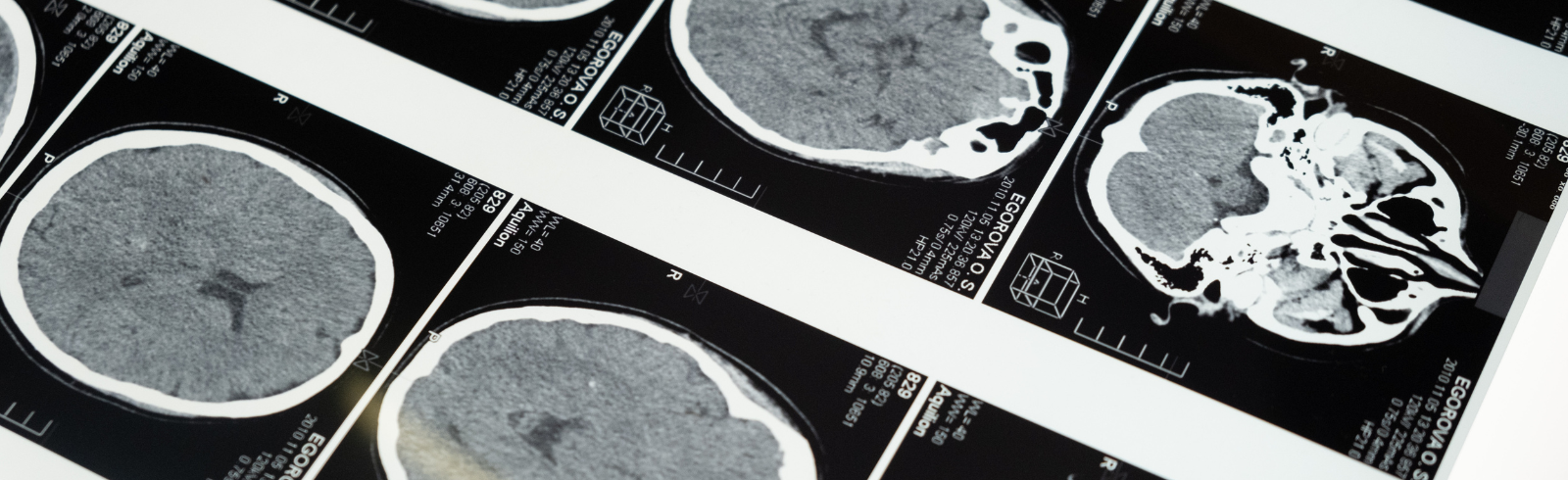
Before you begin treatment, you might want to make sure you understand what will happen. Gather information and ask your clinical team as many questions as you need to. Take a family or a friend to the meetings. There is often a lot of information which can be difficult to process on the spot let alone remember afterwards. Other people often think of questions that you might have overlooked. You might also prefer to write down your concerns before your appointment, so you feel more prepared.
It is not unusual to find it difficult to take in information when anxious or upset. Much of the terminology will be new or unfamiliar and there may be a lot of it. If you are unsure about what you have been told, ask for another appointment so that you can go through the information again.
You may have heard from someone or read somewhere that another treatment is better than the one planned for you. It is important to remember that even if you have the same type of cancer as someone else, the same treatment may not be suitable for you. Your doctor should be able to explain why they have recommended a particular treatment for you.
Learn more about the symptoms of a brain tumour and what to do if you’re experiencing any of these symptoms.
Finding out you have a brain tumour is life-changing. Find out more about how we can help.
Find out more about how you can ask for a second opinion and how we can help.
Find information about the different treatment options that are available and how we can support you.
Surgery is a common treatment for a brain tumour. Find out more about going into hospital for surgery.
Learn more about the key healthcare professionals who will be on your team.
Understand more about brain tumours, types, symptoms and treatment as well as up-to-date statistics.
The signs and symptoms of brain tumours in adults can include headaches and seizures.
There are more than 130 different types of brain tumours. The most common type of brain tumours in adults is glioblastoma multiforme (GBM).
We not only support patients but also families, carers and loved ones who are dealing day to day with the impact of a brain tumour.
Although it can be difficult to think about the later stages of life, a brain tumour diagnosis can force you to consider your options.
Learn about medical terminology. We’ve put together a list of useful medical terms in a handy A-Z.