
Learn more about the symptoms of a brain tumour and what to do if you’re experiencing any of these symptoms.
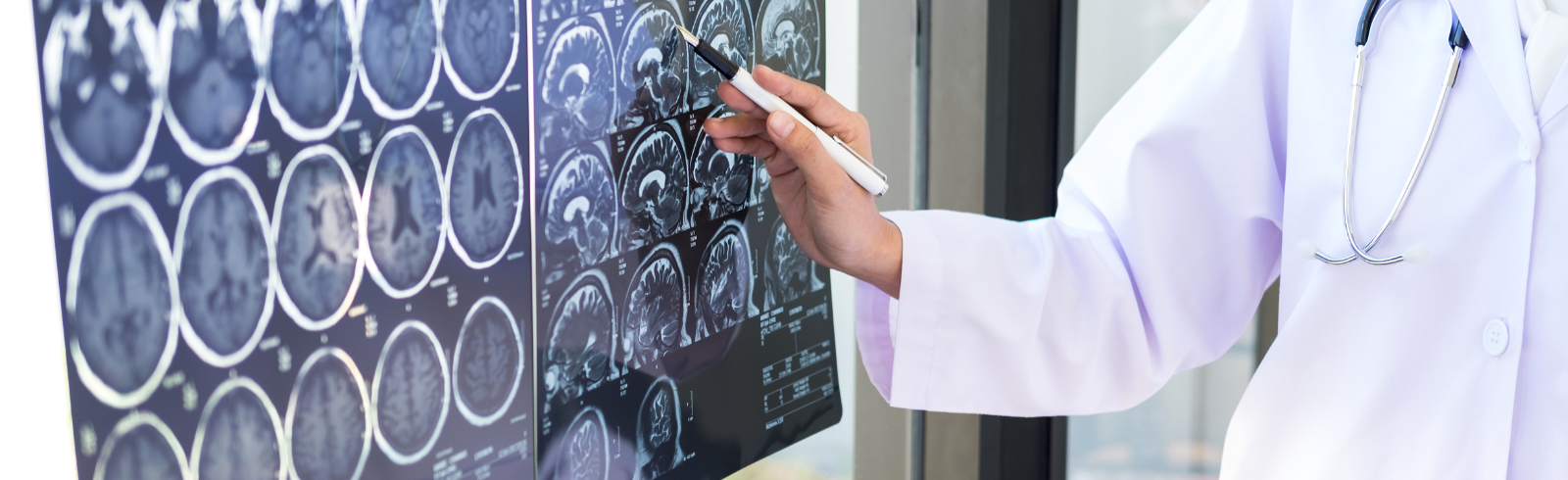
Clinical trials involve medical research to develop new treatments or managements for a brain tumour. They aim to use patients to gain a better understanding of brain tumours including their diagnosis, treatments and symptoms. Each clinical trial can vary depending on what is being studied and how the research is designed.
Some patients choose to take part in a clinical trial so that they can be one of the first people to benefit from a new treatment or to help researchers get a better understanding of a brain tumour, which could lead to new or improved treatment methods and an improvement in the survival rate and/or quality of life.
Some people in clinical trials may be placed on a placebo. However, scans are monitored and observed more closely even if you are on a placebo.
Clinical trials have specific eligibility criteria, and may not be suitable or available to everyone. Whilst on a clinical trial, patients will need to have more frequent check-ups and hospital visits and be closely monitored.
Anyone interested in clinical trials, or would like to know more, should speak to their consultant as early as possible after diagnosis, explaining why they would like to take part in a clinical trial. You can also ask for a second opinion on the trial from a different specialist.
Learn more about the symptoms of a brain tumour and what to do if you’re experiencing any of these symptoms.
Finding out you have a brain tumour is life-changing. Find out more about how we can help.
Find out more about how you can ask for a second opinion and how we can help.
Find information about the different treatment options that are available and how we can support you.
Surgery is a common treatment for a brain tumour. Find out more about going into hospital for surgery.
Learn more about the key healthcare professionals who will be on your team.
Understand more about brain tumours, types, symptoms and treatment as well as up-to-date statistics.
The signs and symptoms of brain tumours in adults can include headaches and seizures.
There are more than 130 different types of brain tumours. The most common type of brain tumours in adults is glioblastoma multiforme (GBM).
We not only support patients but also families, carers and loved ones who are dealing day to day with the impact of a brain tumour.
Although it can be difficult to think about the later stages of life, a brain tumour diagnosis can force you to consider your options.
Learn about medical terminology. We’ve put together a list of useful medical terms in a handy A-Z.